
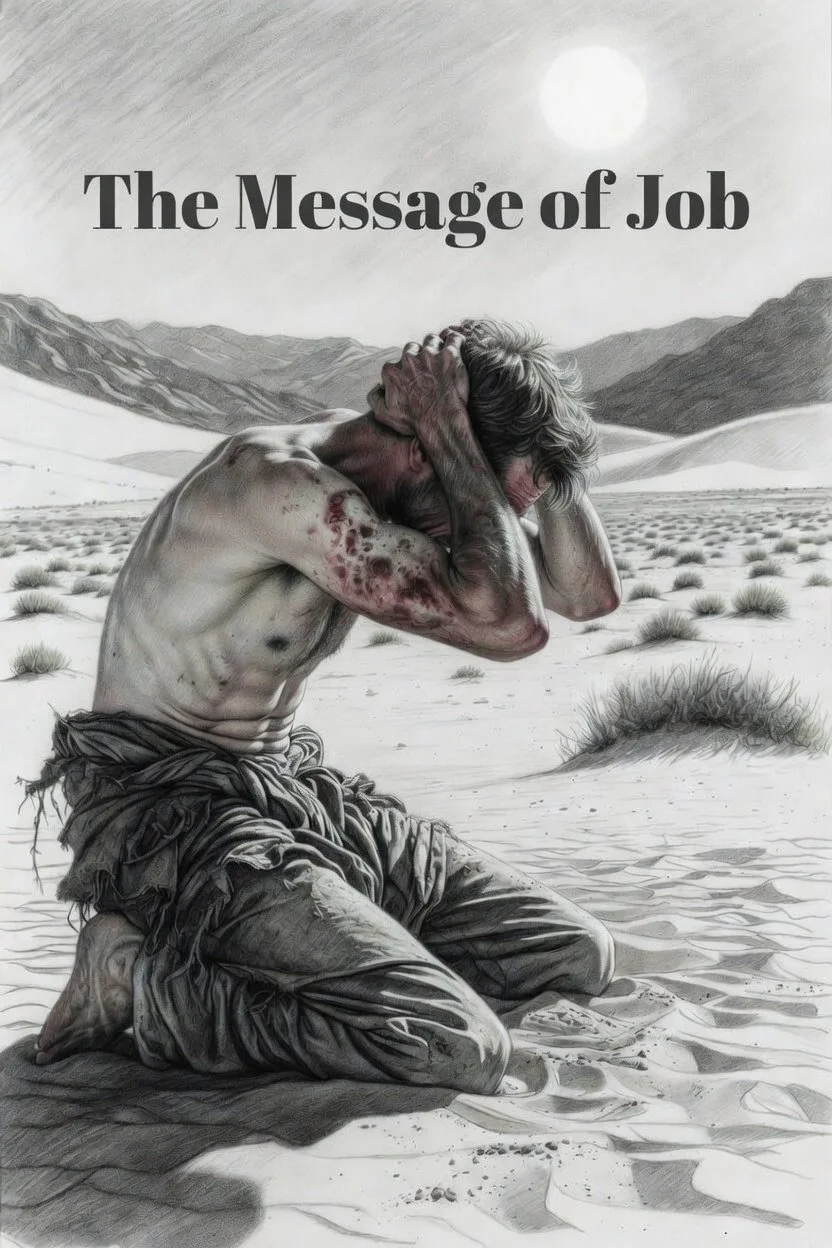
The Message of Job, by Daniel J. Simundson: Chapter 5
This chapter of David Simundson’s commentary brings the long dialog section of the book of Job to a decisive close. After three full cycles of debate between Job and his three friends have reached a complete impasse, the friends fall silent.

When Theological Confidence Becomes a Counterfeit Virtue
Theologically elite pastors and friends often believe they are defending God. In reality, they are defending a system that cannot bear the weight of real suffering. Job’s friends believed they were speaking for God. But God rejects their theology and vindicates the one who dared to lament. A Christ‑centered theology does not fear lament. It does not silence the wounded. It does not cling to systems that collapse under the pressure of human pain. It looks to the cross, where God himself enters the suffering of the innocent and reveals a love that is deeper than explanation and stronger than death.

Habakkuk 2:4: The Righteous, the Vision, and the Promise of Life
This is the lived expression of Hab 2:4b. The prophet who was told that the vision's ʾemûnâ would sustain him now demonstrates what that sustenance looks like in practice. His rejoicing is not despite loss, as if loss were merely a background inconvenience; it is through and within loss, in the very teeth of devastation, grounded entirely in the character of God rather than in the condition of the world.
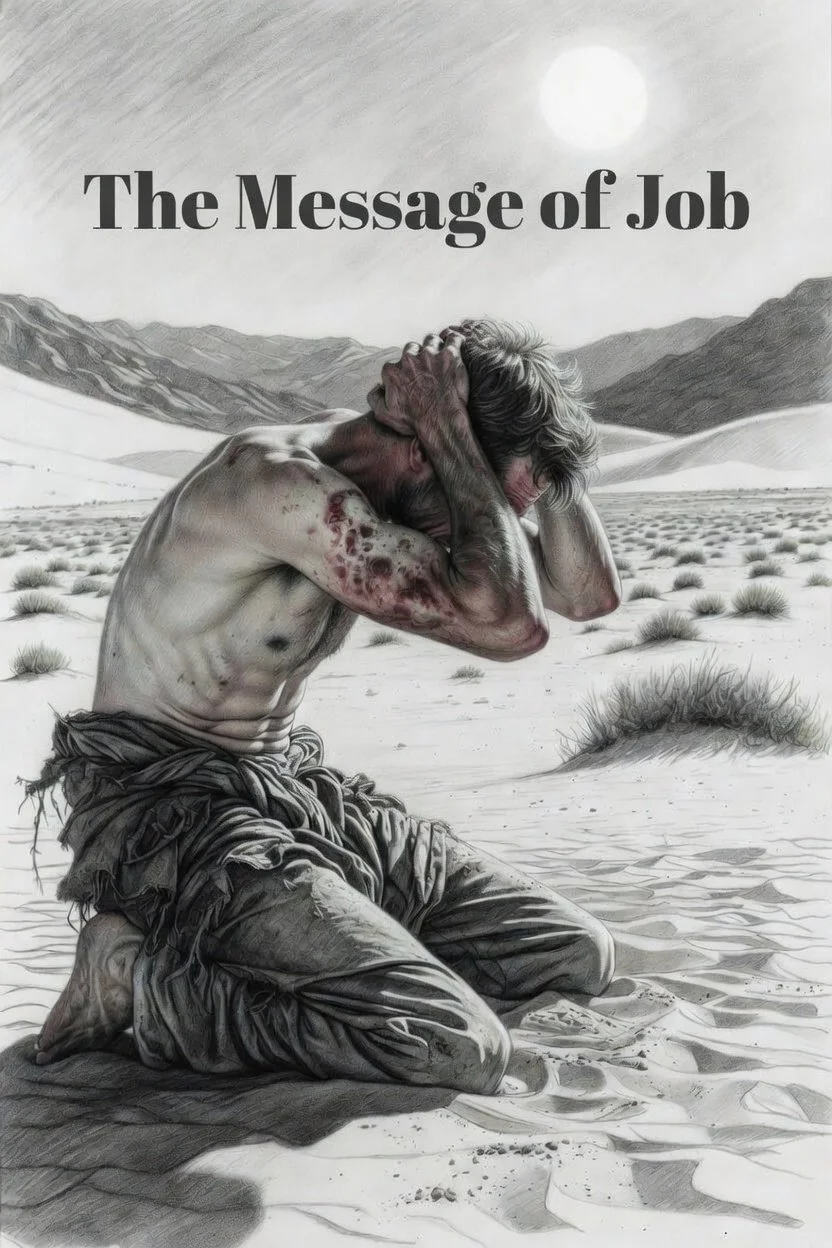
The Message of Job, by Daniel J. Simundson: Chapter 4
Chapter 4 of Daniel J. Simundson’s The Message of Job examines the second and third cycles of speeches in the book of Job, covering chapters 15 through 27.

When Innocent Suffering Shatters Our Explanations: What Job Teaches Us About Real‑World Tragedy
In a world where tragedy is real and innocence does not guarantee safety, Job’s story becomes a companion for those who grieve and a corrective for those who would rush to interpret their grief.
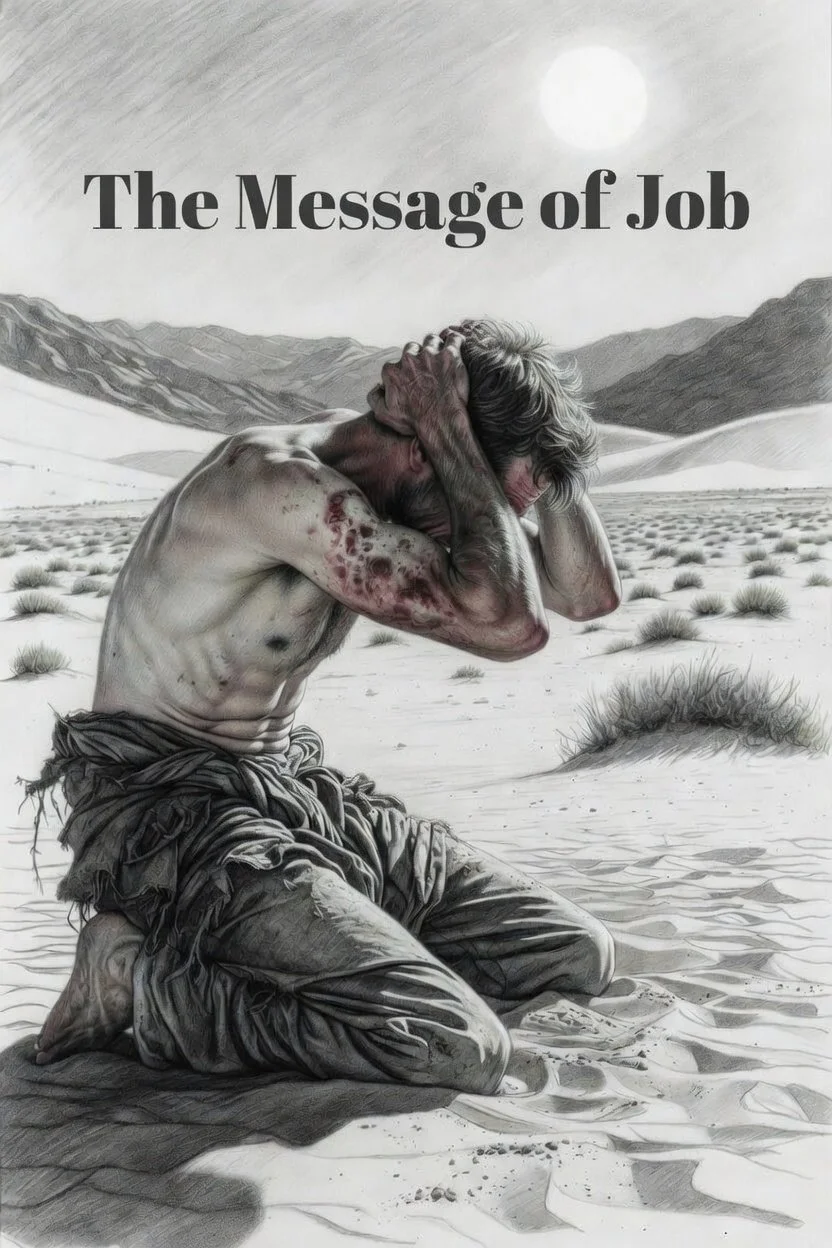
The Message of Job, by Daniel J. Simundson: Chapter 3
Chapter 3 of Daniel J. Simundson’s The Message of Job examines the first cycle of speeches in the book of Job, beginning with Job’s lament in chapter 3 and continuing through the responses of Eliphaz and Job’s reply in chapters 4 through 7.

When the World Breaks Open: Job, Habakkuk, and the Search for God in a Disordered Creation
Job and Habakkuk stand as companions for anyone who has ever looked at their life or their world and whispered, “This is not how it is supposed to be.” They do not silence that cry. They sanctify it. And in doing so, they lead us toward a deeper, more resilient faith, one that can endure the silence of God, the strangeness of God, and the mystery of a God who remains faithful even when everything else falls apart.
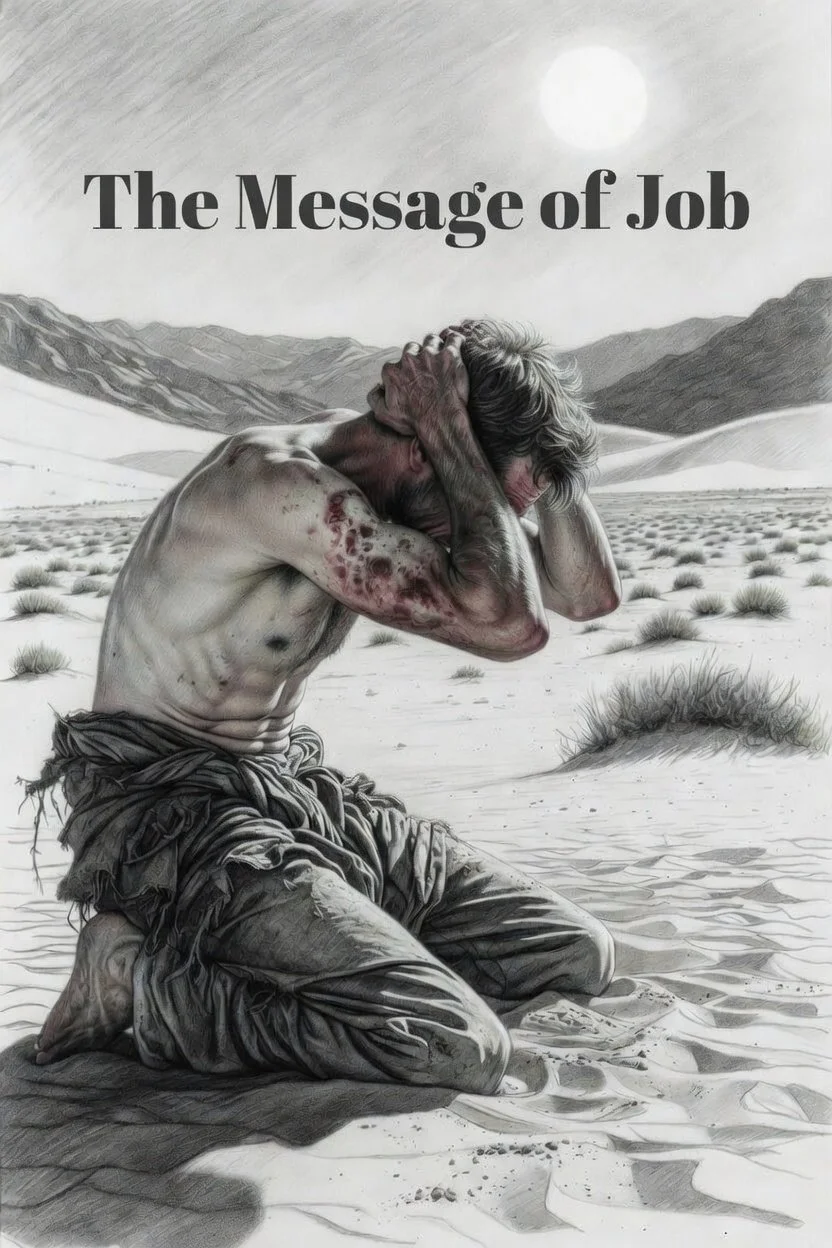
The Message of Job, by Daniel J. Simundson: Chapter 2
Chapter 2 of Daniel J. Simundson’s The Message of Job examines the opening two chapters of the biblical book of Job, commonly called the prolog.

The Transforming Presence of Christ Through the Spirit: Why 2 Corinthians 3:17–18 Matters for Your Life
Discover how 2 Corinthians 3:17–18 reveals the everyday power of the Holy Spirit as the personal presence of the risen Christ. This article shows why real transformation, real freedom, and real endurance in suffering come not from trying harder but from Christ Himself living and working in us through His Spirit. If you’ve ever wondered how Jesus is actually with you in your daily walk, this passage offers the hope your heart has been looking for.
The Message of Job, by Daniel J. Simundson: Chapter 1
Chapter 1 of The Message of Job introduces the reader to the central theological and pastoral tensions that shape the entire book of Job.

The Silent Weight of Tragedy: How Pain Reshapes Our View of God
If you’ve ever wondered how faith survives the unthinkable, or what it means to trust God when the world collapses, Habakkuk has something to say; something raw, honest, and profoundly human.

Judas Betrayal: Free Will or God’s Sovereignty
Many sincere Christians today experience a genuine tension in their walk with God. They hear biblical teaching on God’s absolute sovereignty, His complete rule over history, creation, and the details of individual lives, yet they are also regularly encouraged to “choose God,” “decide for Christ,” and take personal responsibility for faith and moral living. This raises practical questions: If God is sovereign over everything, including my decisions, do I truly have freedom? Am I merely a puppet? And if my choices are not ultimately independent, how can God justly hold me accountable for sin or expect heartfelt love for Him?

When God Feels Silent: How the Holy Spirit Keeps Christ Present When Everything Hurts
When God feels silent, the Spirit keeps Christ near. This article explores how Habakkuk’s raw questions meet the hope of the gospel, showing how the Spirit anchors us in Christ’s death, resurrection, ascension, and Pentecost, and forms a people who endure suffering with love, courage, and quiet, radiant hope.

Finding Freedom from Anxiety: Luke 12:16-21 and Luke 16:19-31
Jesus’ parables of the Rich Fool (Luke 12:16–21) and the Rich Man and Lazarus (Luke 16:19–31) stand like twin mirrors, exposing two of the most persistent illusions that shape the human heart.

Steps For Helping Someone Experiencing Tragedy
The parable of the Good Samaritan is not merely a call to help the hurting. It is a call to become the kind of person who naturally moves toward the broken because the love of God has taken root in us. When tragedy strikes, whether in our own lives or in the lives of those around us, the question is not, “What is the right thing to say?” or “How do I avoid making a mistake?” The question is, “How can I be a neighbor right now?”
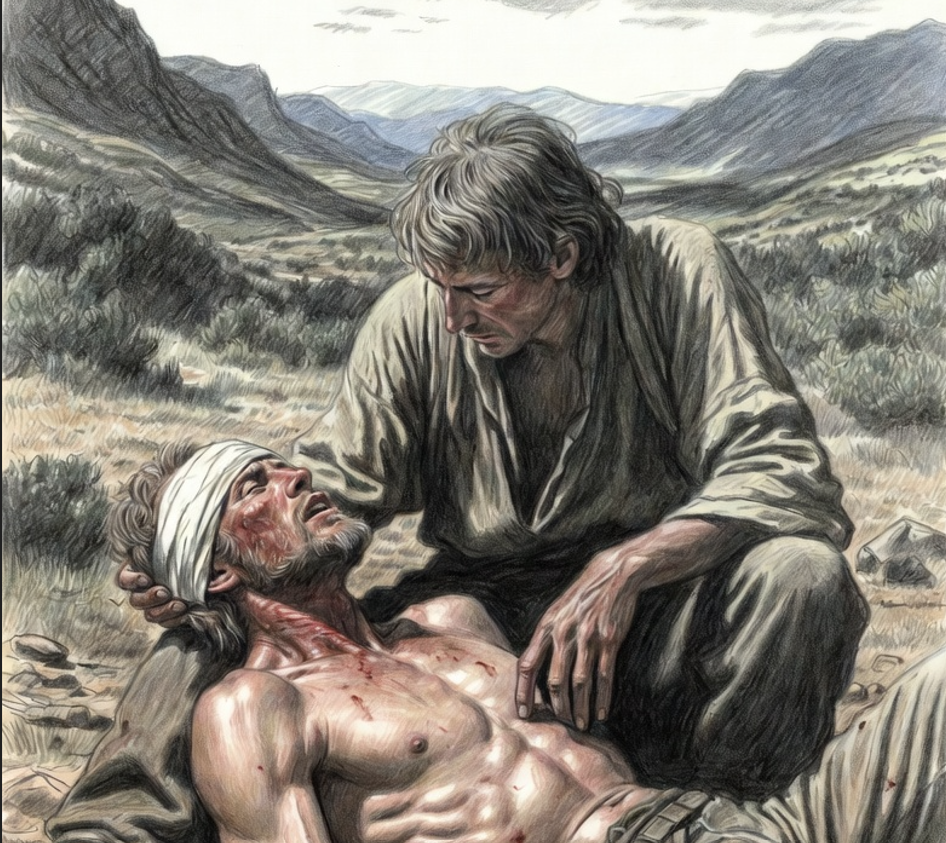
Becoming a Neighbor to the Broken: The Good Samaritan and the Ministry of Presence
The parable of the Good Samaritan is not merely a call to help the hurting. It is a call to become the kind of person who naturally moves toward the broken because the love of God has taken root in us.

When Loss Leads Us Home: Finding God’s Mercy in the Prodigal Son
In the end, the parable calls us to trust that God sees us in our tragedy with a heart full of mercy. He meets the broken with tenderness and the resentful with patience. He restores the humiliated and invites the hardened to rediscover joy. He is the Father who never stops coming out to us, whether we are running away or standing outside with crossed arms.
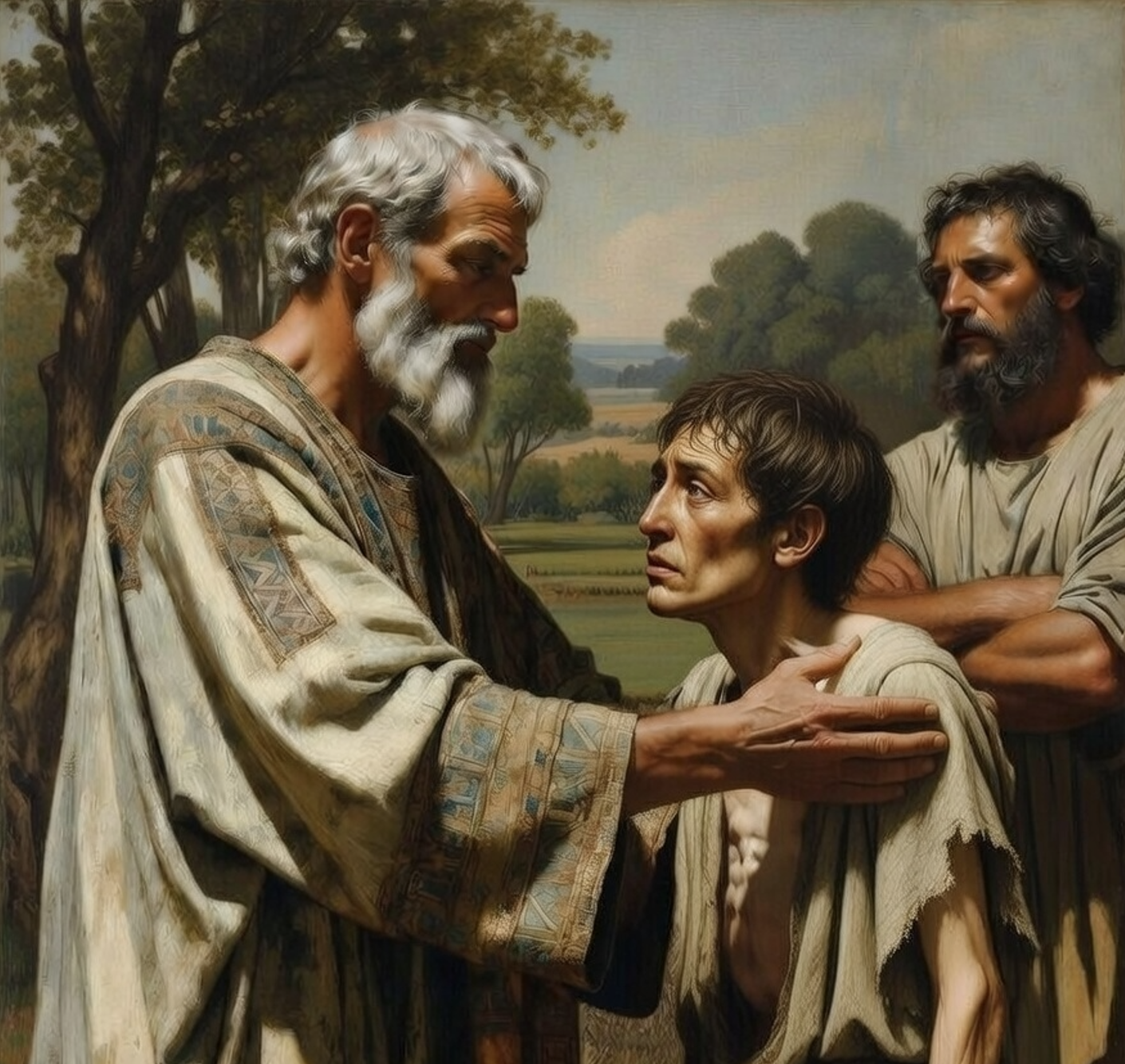
Grace Over Grumbling: Finding Jesus in the Parable of the Two Lost Sons
Jesus' parable in Luke 15:11-32 has sparked endless interpretations, some helpful, others not so much. Early leaders like Ambrose and Augustine turned it into allegory: younger son as sinful Gentiles, elder as jealous Jews, a divisive take that shoehorns church debates into the story.
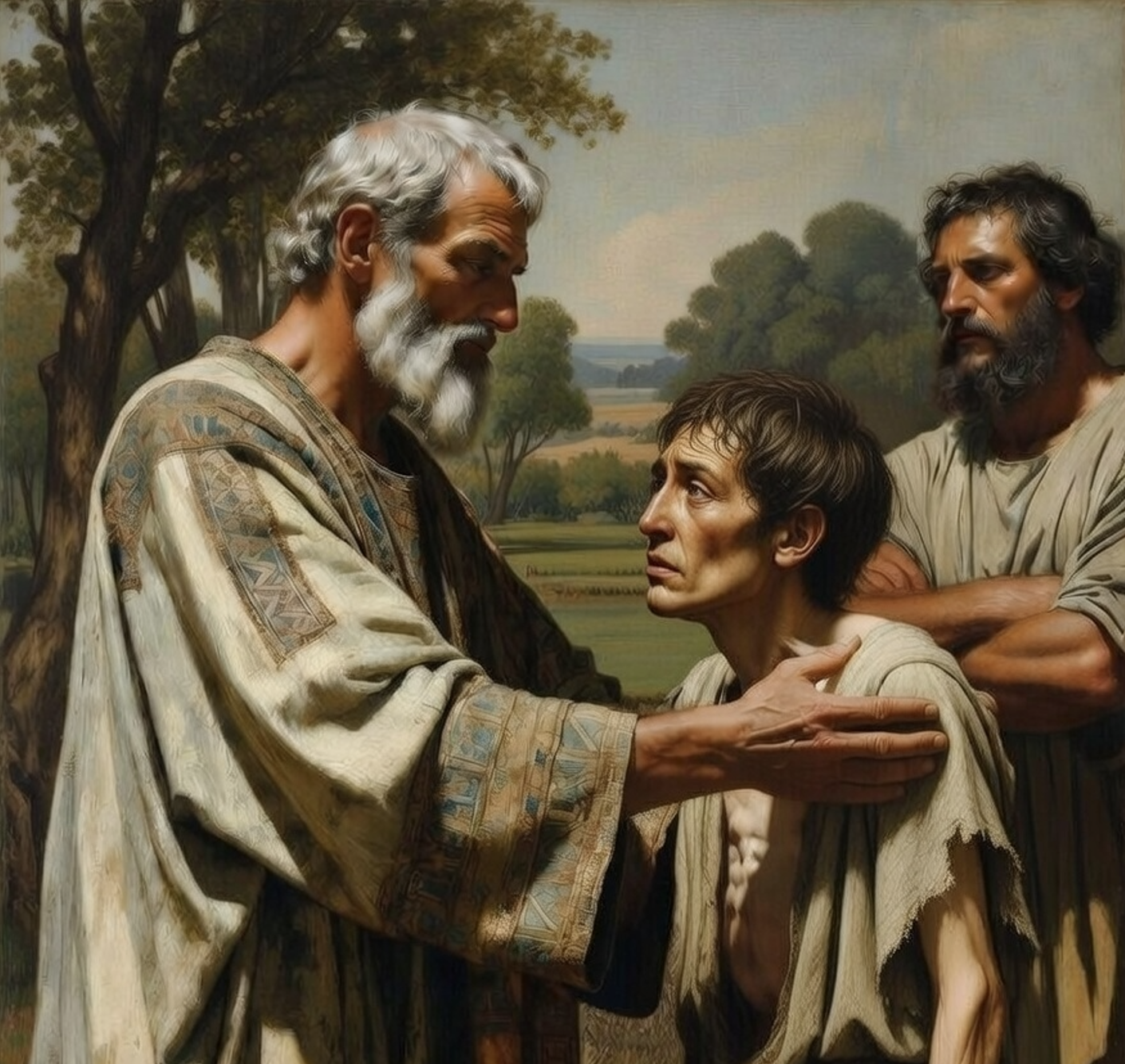
Luke 15 Explained: The Hidden Layers of the Prodigal Son Parable
In Luke 15:11-32, the parable of the two lost sons isn't just a feel-good tale, it's a pointed response to real-life grumbling. Picture the scene: Pharisees and scribes muttering because Jesus shares meals with "sinners" and tax collectors (Luke 15:1-2). Right there, Jesus launches into three stories about lost things being found, with this one as the grand finale.
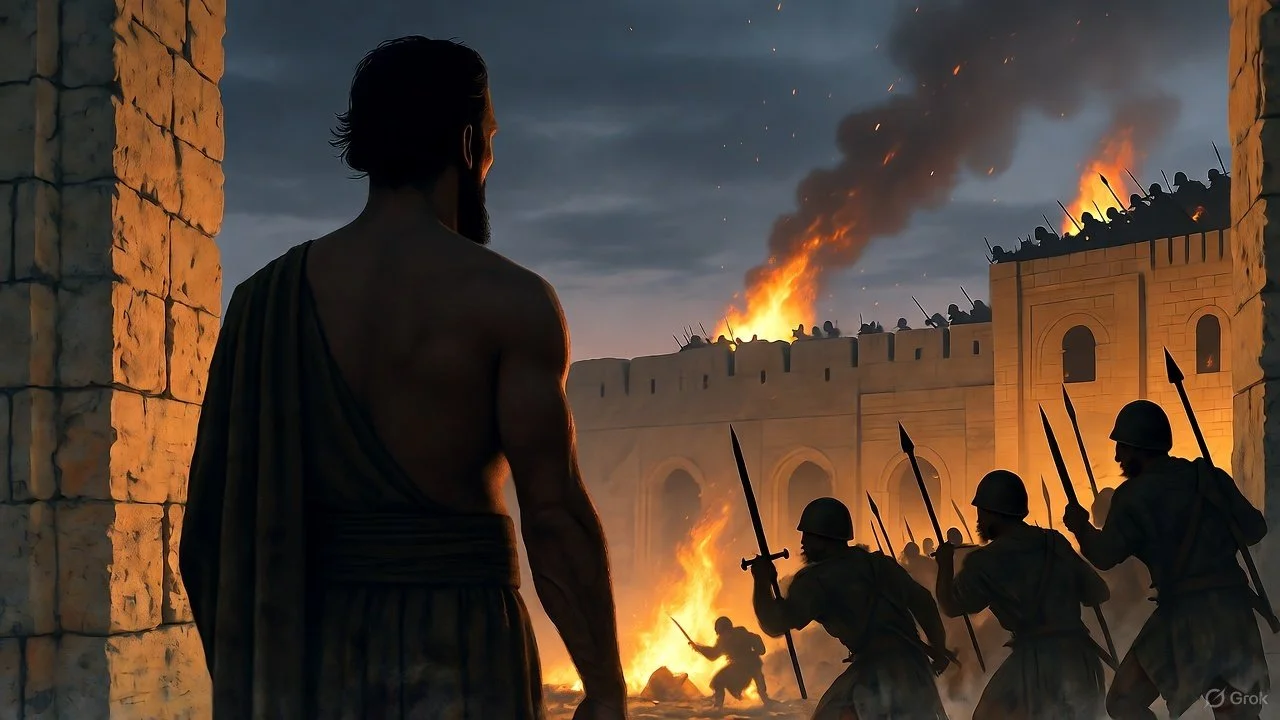
Habakkuk’s Tragedy: God’s Role When the Unimaginable Happens
Habakkuk’s Tragedy is highly recommended for anyone seeking a serious yet compassionate guide through suffering. In a crowded field of books on grief and faith, Snodgrass’s work stands out for its exegetical integrity, emotional honesty, and gospel-centered hope. It equips readers to lament faithfully, question deeply, and trust stubbornly, knowing that the God who entered our broken world in Christ is present in every tear and promises to make all things new (Rev. 21:5). Pastors will find it a rich resource for preaching and counseling; lay readers will discover a companion that honors both their pain and their faith. This is a book that does not erase sorrow but walks with the reader through it toward enduring hope.