
Search Articles
Search the archive to uncover reflections, sermons, and studies centered on finding faith and hope amid suffering. Use keywords, scripture references, or topics, like trust, lament, or Habakkuk, to quickly locate teachings that guide spiritual growth through tragedy.
Each result includes a concise summary to help you decide what to read next, whether you want theological insight, pastoral encouragement, or practical steps for living faithfully in hard seasons.
Start your search and find resources designed to strengthen trust and sustain hope.

Recent Publications
Autotheos and Nicene Orthodoxy: Reconsidering the Son’s Aseity in Light of Pro‑Nicene Grammar and the Limits of Privation Theodicy
This article argues that Calvin’s claim that the Son is autotheos, “God of Himself”, directly addresses a long‑standing tension in how some readers interpret the Nicene Creed. On one hand, the Creed proclaims the Son as “God from God”; on the other, it insists that He is “true God from true God,” fully and eternally divine.
Modern Individualism and the Recovery of Identity, Freedom, and Dignity in the Church
The gospel doesn’t erase individuality; it restores it. In Christ persons are known, loved, and given a secure identity that doesn’t depend on performance, reinvention, or social validation. The biblical story dignifies human beings more deeply than modern individualism ever could because it locates their worth in God’s creative and redemptive love.
Habakkuk 2:4 ʿuppělâ: Presumptuous Swelling and the Anatomy of Defiance
This reading clarifies that Habakkuk is not a book about divine retribution against God’s people. It is a book about divine reliability in the face of human presumption and divine preservation in the face of devouring evil.
Habakkuk 2:4 napšô as “Throat,” Not “Soul”: Distortion, Devouring, and the Moral Imagination
This reading clarifies that Habakkuk is not a book about divine retribution against God’s people. It is a book about divine reliability in the face of human distortion and divine preservation in the face of devouring evil. The swollen throat of the wicked and the steady reliability of God form the central contrast of the book.

Habakkuk 2:4: ʾEmûnâ: Divine Reliability as the Ground of Life
Habakkuk’s world is one in which the righteous suffer, the wicked prosper, and God seems silent. Into that world, God speaks a word that does not explain the mystery of evil but asserts the certainty of His own reliability. The righteous live because God is faithful. This is the meaning of ʾemûnâ. It is the theological center of Habakkuk 2:4 and the interpretive key to the book as a whole.
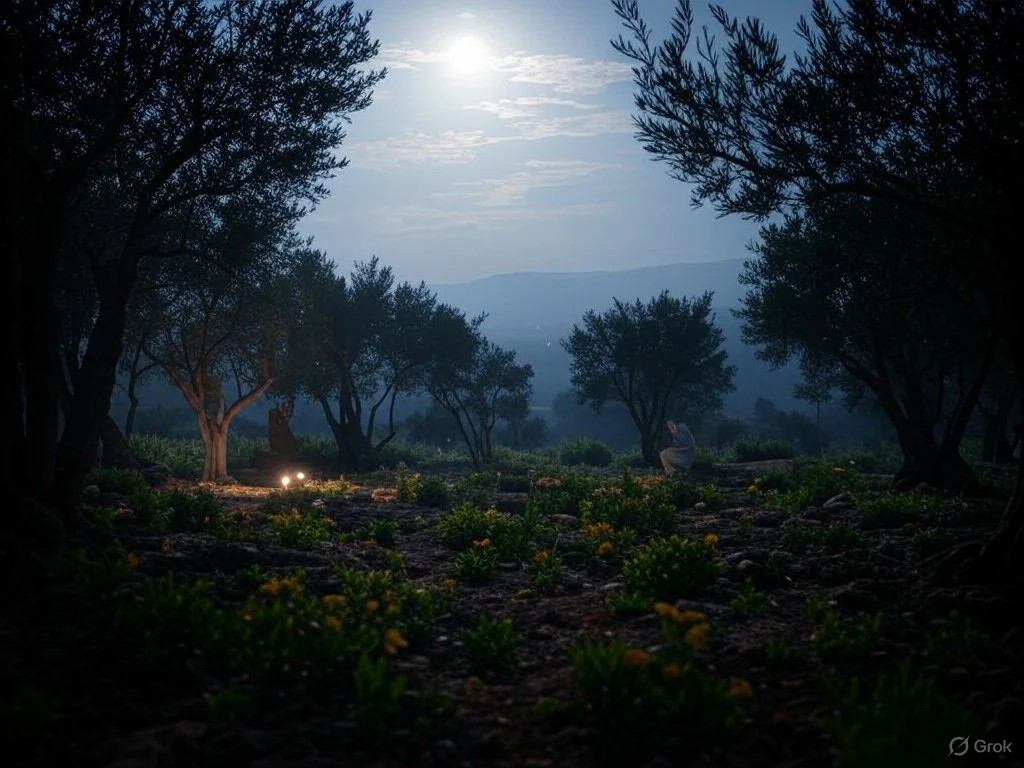
Habakkuk 2:4 When God Seems Late but Is Never Unfaithful
There is a particular kind of suffering that does not break a person all at once. It breaks them slowly. It is the suffering of delay, the long stretch of time between God’s promise and God’s fulfillment, between what He has said and what we see, between the hope we cling to and the reality we wake up to each morning.
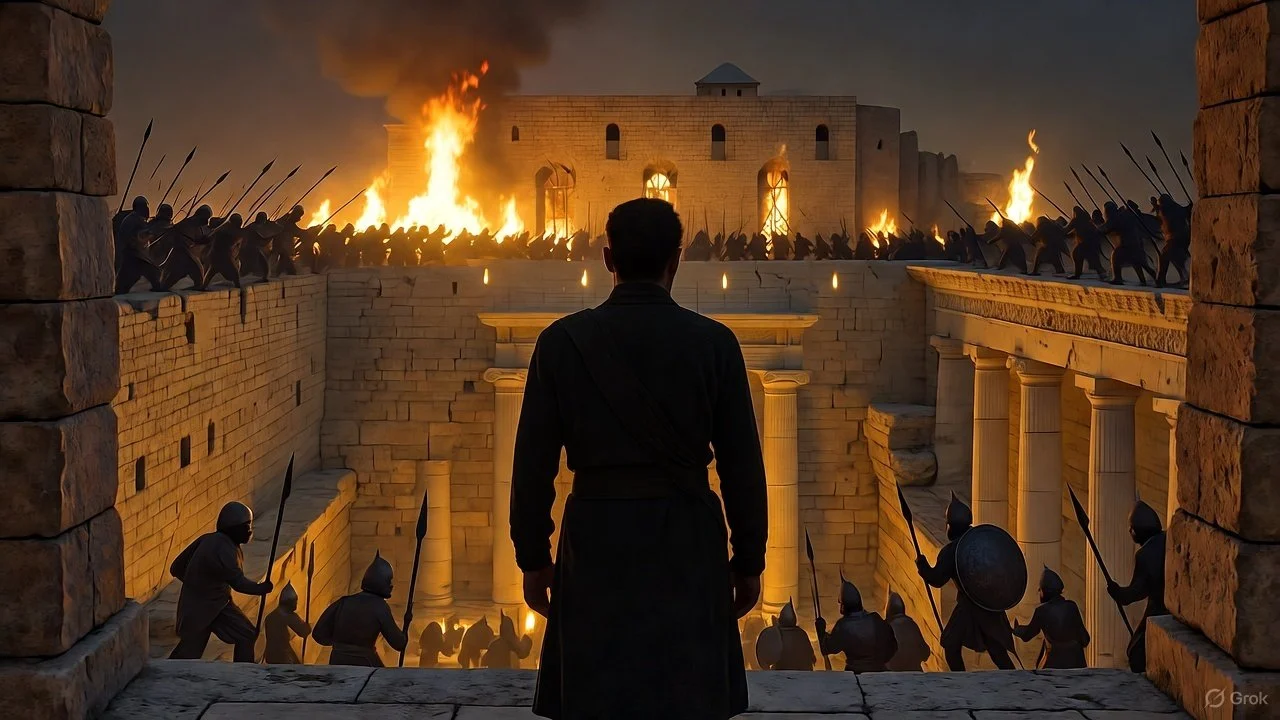
Habakkuk 2:4 When the Prophet Becomes the Paradigm: Habakkuk’s Journey from Complaint to Joy
There is a quiet dignity in the way Habakkuk’s book unfolds. It begins with a man undone by what he sees; violence, injustice, the devouring of the righteous, the apparent silence of God. It ends with a man who can rejoice even when everything collapses around him.

Habakkuk 2:4 When Sight and Promise Collide: Trusting God’s Word When Evidence Contradicts It
There are moments in the life of faith when the world in front of you seems to contradict everything God has ever said. You know the promises. You can recite the verses. You can remember the sermons, the prayers, the moments when God felt near. But then something happens, or fails to happen, and suddenly the evidence of your eyes feels more authoritative than the words of Scripture.

Habakkuk 2:4 When God Promises Survival, Not Vindication
There are seasons when the most honest prayer a person can pray is painfully simple: Lord, help me make it through this. Not triumph. Not victory. Not vindication. Just survival. Just breath. Just enough strength to stand up again tomorrow.

Habakkuk 2:4 When Suffering Twists the Story: The Temptation to Distort God’s Word Under Pressure
There are moments in suffering when the deepest battle is not external but internal. It is not the crisis itself that threatens to undo us, but the way the crisis begins to rewrite the story we tell ourselves about God. Pain has a way of bending perception.

Habakkuk 2:4 When God Seems Late: The Vision That Sustains Us Through the Long Delay
It is the suffering of waiting. The suffering of delay. The suffering of waking up day after day in the same unresolved story, with the same unanswered prayers, the same unhealed wounds, the same unrelieved ache. It is the suffering of living in the gap between what God has said and what we see.
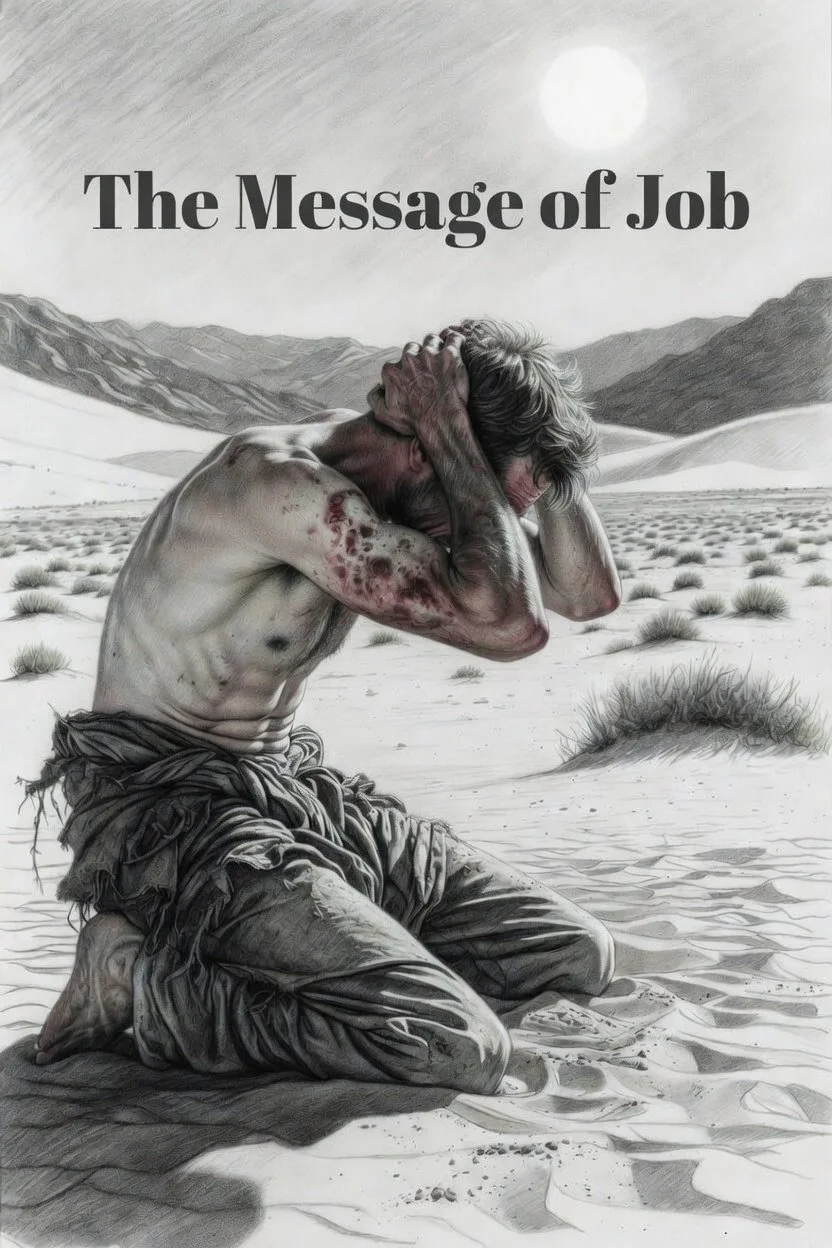
The Message of Job, by Daniel J. Simundson: Chapter 7
This final chapter of Simundson’s commentary brings the book of Job to its dramatic and deeply moving climax. After the long, exhausting cycles of debate between Job and his three friends, and after Elihu’s lengthy monologues, God finally breaks the silence and speaks directly to Job out of the whirlwind.
The Old Testament and the Cross
The Old Testament is often invoked to support a retributive view of divine justice, a vision of God whose primary mode of action is proportional payback. Certain passages, especially those involving sacrifice, judgment, or national calamity, are sometimes interpreted as evidence that penal substitution is simply a refined version of retribution theology.

Habakkuk 2:4 When Strength Fails: Endurance Grounded in God’s Faithfulness, Not Our Own
There is a particular kind of suffering that exposes the limits of human endurance. It is not the kind that can be pushed through with determination or managed with spiritual discipline. It is the kind that empties a person.
The Message of Job, by Daniel J. Simundson: Chapter 6
In this chapter, David Simundson turns his attention to the speeches of Elihu in Job 32–37, a section that feels like a dramatic interruption in the flow of the book.
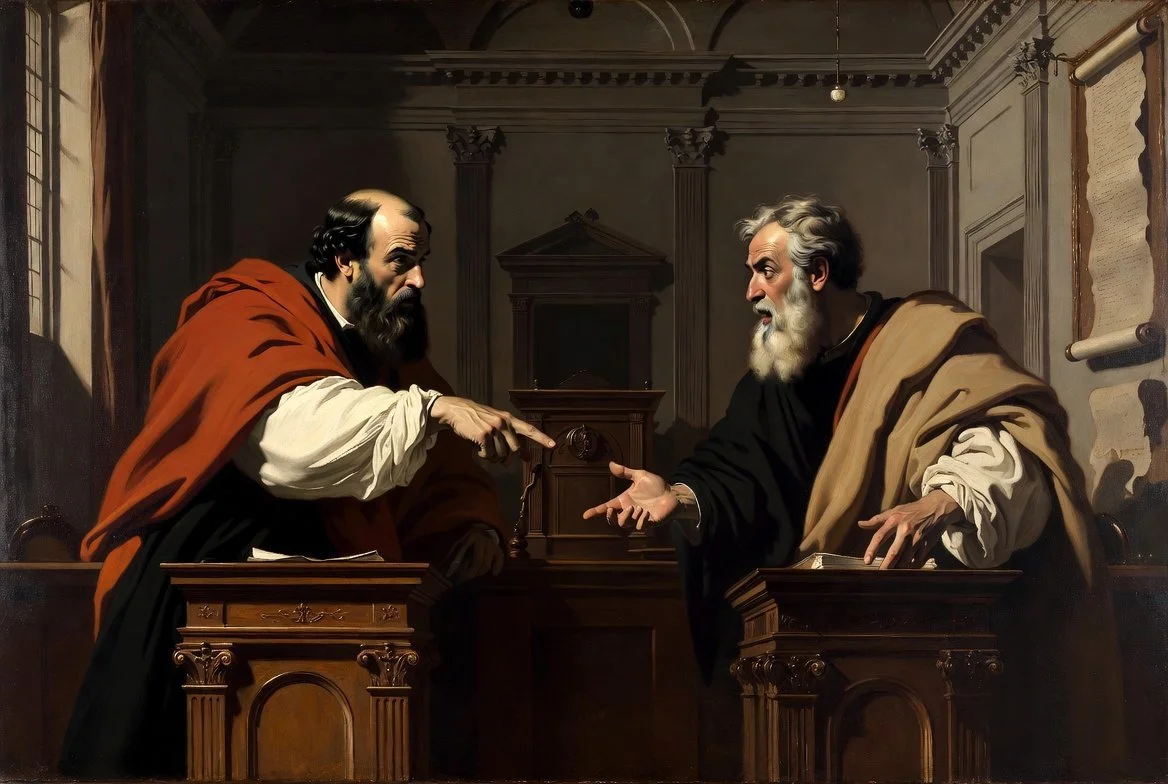
Does James Contradict Paul on Faith and Works?
Paul says we are “justified by faith apart from works of the law” (Romans 3:28).
James says a person is “justified by works and not by faith alone” (James 2:24).
At first glance it sounds like they’re arguing. One of the most common questions I hear from Christians is, “Which one is right?”
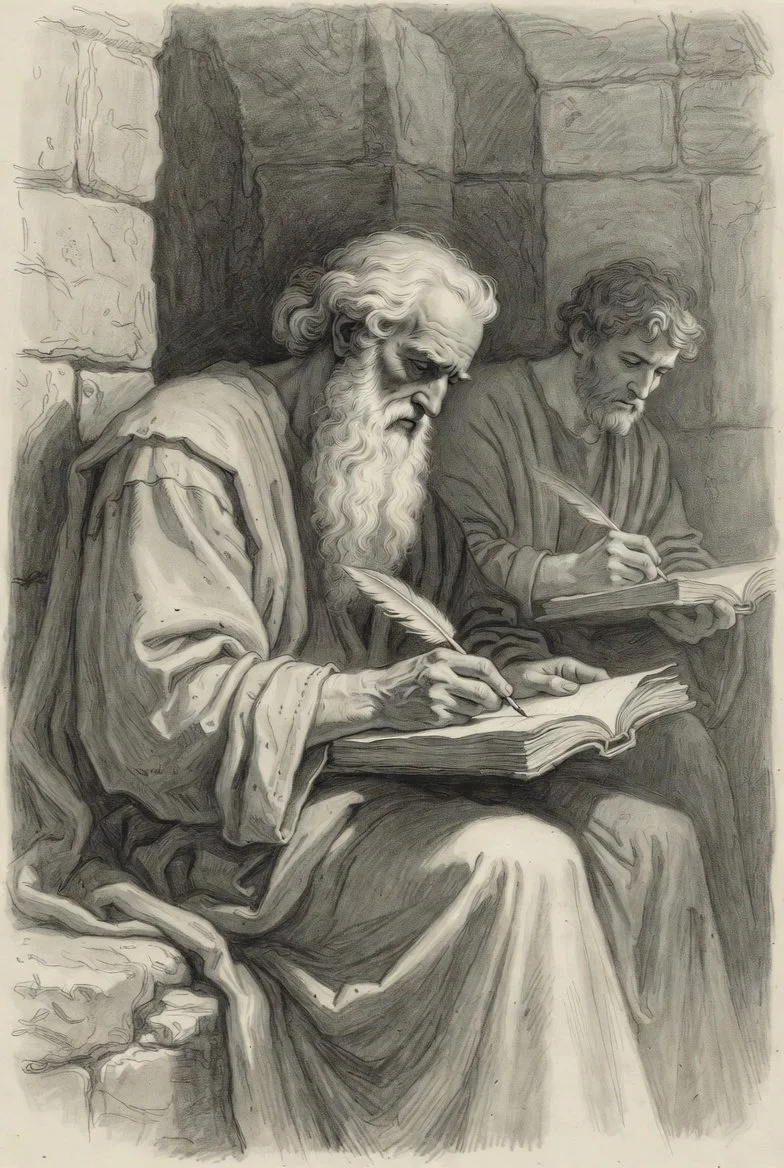
Rethinking Paul’s Gospel: How Substitutionary Atonement Reveals God’s Restorative Justice
Paul never treats divine judgment as a mechanical system of moral retribution. His entire theological imagination is shaped by the conviction that God relates to His people through committed, history‑long faithfulness.
The Message of Job, by Daniel J. Simundson: Chapter 5
This chapter of David Simundson’s commentary brings the long dialog section of the book of Job to a decisive close. After three full cycles of debate between Job and his three friends have reached a complete impasse, the friends fall silent.

When Theological Confidence Becomes a Counterfeit Virtue
Theologically elite pastors and friends often believe they are defending God. In reality, they are defending a system that cannot bear the weight of real suffering. Job’s friends believed they were speaking for God. But God rejects their theology and vindicates the one who dared to lament. A Christ‑centered theology does not fear lament. It does not silence the wounded. It does not cling to systems that collapse under the pressure of human pain. It looks to the cross, where God himself enters the suffering of the innocent and reveals a love that is deeper than explanation and stronger than death.
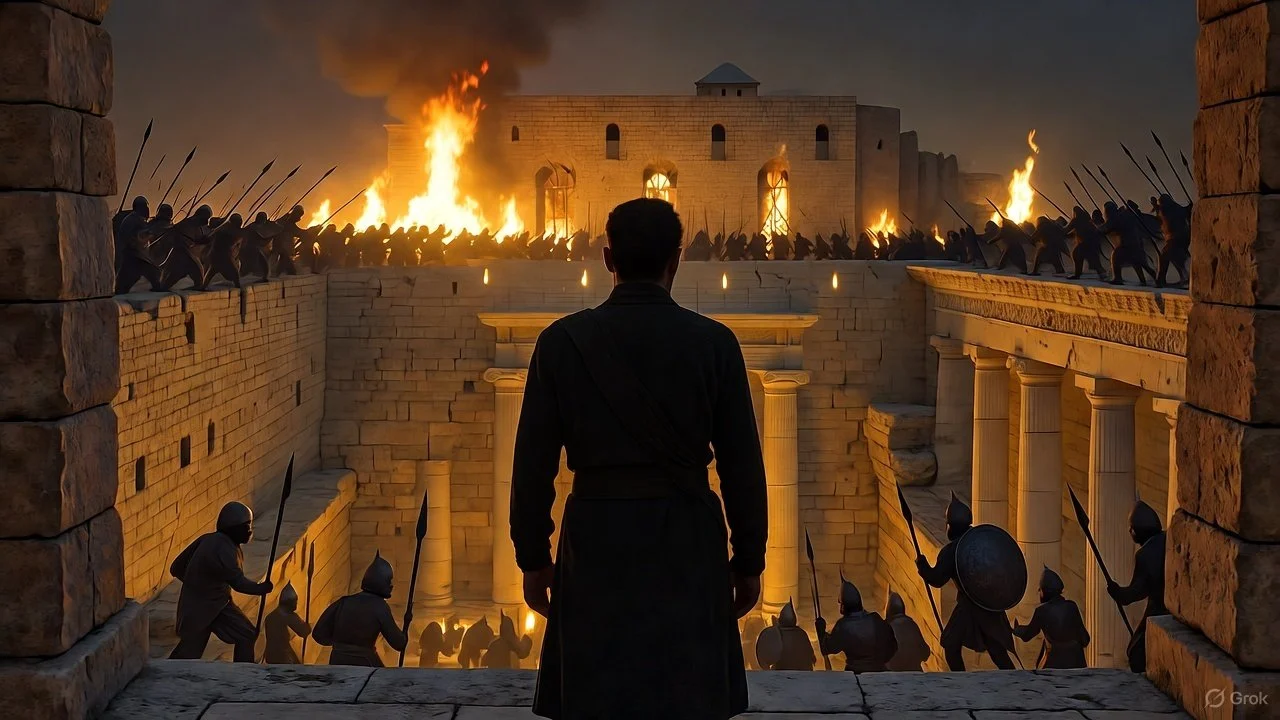
Habakkuk 2:4: The Righteous, the Vision, and the Promise of Life
This is the lived expression of Hab 2:4b. The prophet who was told that the vision's ʾemûnâ would sustain him now demonstrates what that sustenance looks like in practice. His rejoicing is not despite loss, as if loss were merely a background inconvenience; it is through and within loss, in the very teeth of devastation, grounded entirely in the character of God rather than in the condition of the world.