
Habakkuk 2:4 ʿuppělâ: Presumptuous Swelling and the Anatomy of Defiance
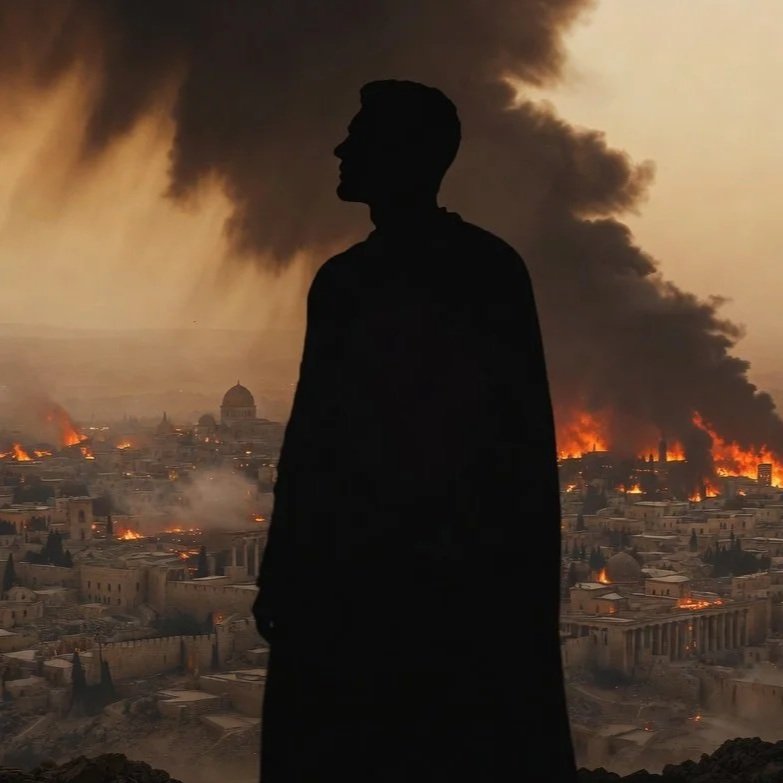
Habakkuk 2:4
Introduction
Habakkuk 2:4 stands at the center of Yahweh’s second response to the prophet and is one of the most densely packed theological statements in the Hebrew Bible. The verse contrasts two figures: one whose ʿuppělâ marks him as crooked and presumptuous, and another who will live by the reliability of the vision. The meaning of ʿuppělâ is therefore essential for understanding the moral and theological contrast that structures the passage.
The attached analysis argues that ʿuppělâ denotes “presumptuous swelling,” a posture of arrogant expansion against God. This reading is not only lexically sound but theologically illuminating. It reveals that the wicked person in 2:4a is not simply proud in a general sense but is swollen in a way that distorts his relationship to God’s revelation. His swelling is not psychological inflation; it is moral deformation, a posture of self‑assertion that refuses to receive the vision as given.
Understanding ʿuppělâ clarifies the meaning of Habakkuk 2:4 and helps us see that the book is not about divine retribution against God’s people. It is about God’s confrontation with those who swell against Him and distort His revelation.
1. The Lexical Meaning of ʿuppělâ: Swelling, Presumption, and Moral Deformation
The Hebrew term ʿuppělâ is rare and difficult, but its root and cognates point toward imagery of swelling, puffing up, or inflating. The attached analysis notes that the term carries the sense of presumptuous swelling, a kind of moral and theological overgrowth.
This swelling is not neutral. It is a swelling against God.
1.1 Swelling as Defiance
In prophetic literature, swelling imagery often denotes arrogance, overreach, or self‑exaltation (cf. Isa 9:9–10; Jer 48:29). The swollen person is one who expands beyond proper limits, who asserts himself against divine boundaries.
Thus, ʿuppělâ in Habakkuk 2:4a describes a person whose inner posture is inflated in opposition to God.
1.2 Swelling as Distortion
The attached document connects ʿuppělâ with the imagery of the crooked throat (napšô) in the same verse. The swollen person is not only arrogant; he is distorted. His swelling warps his perception, his speech, and his relationship to God’s revelation.
He cannot receive the vision because he is too swollen to be taught.
2. ʿuppělâ in Habakkuk 2:4: The Posture of the Wicked
The phrase in 2:4a describes the wicked person as one whose ʿuppělâ renders him “not upright.” The term “upright” (yāšār) is moral language, and the contrast is stark: swelling produces crookedness.
2.1 The Wicked Swell Against the Vision
The attached analysis emphasizes that the wicked person’s swelling is directed against the vision. He is not merely proud; he is presumptuous toward God’s revelation. His swelling leads him to distort, dismiss, or reinterpret the vision according to his own desires.
This is why the wicked cannot live. His posture toward God’s word is fundamentally deformed.
2.2 The Wicked Swell Against God Himself
Because the vision is God’s revelation, swelling against the vision is swelling against God. The wicked person’s ʿuppělâ is therefore theological rebellion. It is a refusal to submit to the divine timetable, the divine plan, and the divine interpretation of reality.
He insists on his own reading of the world. He insists on his own timing. He insists on his own sovereignty.
This is the essence of ʿuppělâ.
3. The Contrast with the Righteous: Living by the Vision’s Reliability
The second half of the verse introduces the righteous person, who “will live by its trustworthiness” (ʾemûnâ). The contrast is not between pride and humility in general, nor between unbelief and belief, but between presumptuous swelling and trust in divine reliability.
3.1 The Righteous Do Not Swell
The righteous person does not inflate himself against God. He does not presume to reinterpret the vision. He does not swell beyond the limits of revelation.
His posture is receptive, not presumptuous.
3.2 The Righteous Live Because God Is Reliable
The righteous person’s life is grounded not in his own virtue but in the reliability of the vision, and therefore in the reliability of the God who gave it. He lives because he trusts what God has said, not because he asserts his own interpretation.
The wicked swell and perish. The righteous trust and live.
This is the theological logic of the verse.
4. ʿuppělâ and the Message of Habakkuk as a Whole
Understanding ʿuppělâ clarifies the book’s message in several important ways.
4.1 Habakkuk Is Not About God Punishing His People
The wicked in Habakkuk are not Israel. They are the devouring oppressors, first the violent within Judah (1:2–4), then the Babylonians (1:6–11). The book is not a narrative of divine retribution against God’s people. It is a narrative of divine confrontation with those who swell against Him.
The swollen ones are the oppressors, not the faithful remnant.
4.2 The Central Issue Is the Posture Toward Revelation
Habakkuk’s complaint is not about guilt but about God’s apparent inaction. The prophet is not asking how sinners can stand before a holy God. He is asking how a holy God can allow the wicked to devour the righteous.
God’s answer is not punishment but revelation. Not wrath but vision. Not retribution but reliability.
The wicked swell against this revelation; the righteous trust it.
4.3 The Book’s Movement Is from Presumption to Submission
Habakkuk begins by questioning God’s reliability. He ends by submitting to it with joy. His journey is not from sin to righteousness but from presumption to trust.
This is why ʿuppělâ is so important. It names the posture that the prophet must abandon and the posture that the wicked refuse to abandon.
Conclusion
The term ʿuppělâ in Habakkuk 2:4a is not a minor lexical detail. It is a key that unlocks the moral and theological contrast at the heart of the verse and the book. The wicked are those who swell presumptuously against God’s revelation. Their swelling produces distortion, crookedness, and ultimately destruction. The righteous are those who refuse to swell, who trust the reliability of the vision, and who therefore live.
This reading clarifies that Habakkuk is not a book about divine retribution against God’s people. It is a book about divine reliability in the face of human presumption and divine preservation in the face of devouring evil. The swollen posture of the wicked and the steady reliability of God form the central contrast of the book. The righteous live because God is faithful, and they refuse to swell against the vision that reveals His faithfulness.
Allan Snodgrass serves the wider church with a rare blend of theological depth, pastoral steadiness, and the kind of hard‑won wisdom that only comes from years of walking with people through real suffering. His ministry has always lived at the intersection of Scripture and lived experience, where the text is not merely explained but carried into the wounds and questions of ordinary believers. As a writer, teacher, and counselor, he brings the Bible to bear with clarity and honesty, never rushing past the ache but always guiding people toward hope.
His ongoing work in the theology program at Westminster Theological Seminary deepens that ministry with rigorous study, shaping a voice that is both academically grounded and pastorally warm. Whether he is preaching on a Sunday morning, leading a retreat, speaking at a conference, or joining a podcast conversation, Allan’s aim is the same: to help the church wrestle honestly with God, see the gospel with fresh eyes, and find steady grace in the midst of life’s hardest moments.
If this work has encouraged you and you’d like to support Allan’s ministry, you can become a paid subscriber or make a one‑time donation by clicking the link. Your support helps sustain the writing, teaching, and pastoral care that so many have come to rely on.