
Search Articles
Search the archive to uncover reflections, sermons, and studies centered on finding faith and hope amid suffering. Use keywords, scripture references, or topics, like trust, lament, or Habakkuk, to quickly locate teachings that guide spiritual growth through tragedy.
Each result includes a concise summary to help you decide what to read next, whether you want theological insight, pastoral encouragement, or practical steps for living faithfully in hard seasons.
Start your search and find resources designed to strengthen trust and sustain hope.

Recent Publications

How Can a Sinner Stand Right Before a Holy God?
There is a question that haunts every honest heart sooner or later: How can someone like me, flawed, failing, and full of sin, ever be put right with a perfectly holy God? We sense the distance. We feel the weight. And deep down we wonder whether anything we could ever do would be enough to close the gap.

When the God Who Justifies the Ungodly Leads Us Through Suffering
If God has already declared the ungodly righteous, if He has already clothed sinners in the obedience of Christ, if He has already moved toward us in mercy when we had nothing to offer, then suffering cannot be interpreted as divine rejection. It cannot be a sign that God has stepped back. It cannot be punishment in the judicial sense. The Judge has already rendered His verdict.

How Long, O Lord? Lamenting Honestly as the Justified
“How long, O Lord? Will you forget me forever? How long will you hide your face from me? How long must I take counsel in my soul and have sorrow in my heart all the day? How long shall my enemy be exalted over me?” (Psalm 13:1–2).

When God Comes Looking: Why Luke 15 Shows Us a Savior Who Won’t Stop Seeking
The sheep isn’t blamed. It doesn’t repent. It doesn’t find its way home. It simply gets lost. And the shepherd goes after it, searching until he finds it, lifting it onto his shoulders, carrying it home, and calling his friends to celebrate.

When Innocent Suffering Shatters Our Explanations: What Job Teaches Us About Real‑World Tragedy
In a world where tragedy is real and innocence does not guarantee safety, Job’s story becomes a companion for those who grieve and a corrective for those who would rush to interpret their grief.

When the World Breaks Open: Job, Habakkuk, and the Search for God in a Disordered Creation
Job and Habakkuk stand as companions for anyone who has ever looked at their life or their world and whispered, “This is not how it is supposed to be.” They do not silence that cry. They sanctify it. And in doing so, they lead us toward a deeper, more resilient faith, one that can endure the silence of God, the strangeness of God, and the mystery of a God who remains faithful even when everything else falls apart.

The Transforming Presence of Christ Through the Spirit: Why 2 Corinthians 3:17–18 Matters for Your Life
Discover how 2 Corinthians 3:17–18 reveals the everyday power of the Holy Spirit as the personal presence of the risen Christ. This article shows why real transformation, real freedom, and real endurance in suffering come not from trying harder but from Christ Himself living and working in us through His Spirit. If you’ve ever wondered how Jesus is actually with you in your daily walk, this passage offers the hope your heart has been looking for.

Finding Freedom from Anxiety: Luke 12:16-21 and Luke 16:19-31
Jesus’ parables of the Rich Fool (Luke 12:16–21) and the Rich Man and Lazarus (Luke 16:19–31) stand like twin mirrors, exposing two of the most persistent illusions that shape the human heart.

Steps For Helping Someone Experiencing Tragedy
The parable of the Good Samaritan is not merely a call to help the hurting. It is a call to become the kind of person who naturally moves toward the broken because the love of God has taken root in us. When tragedy strikes, whether in our own lives or in the lives of those around us, the question is not, “What is the right thing to say?” or “How do I avoid making a mistake?” The question is, “How can I be a neighbor right now?”
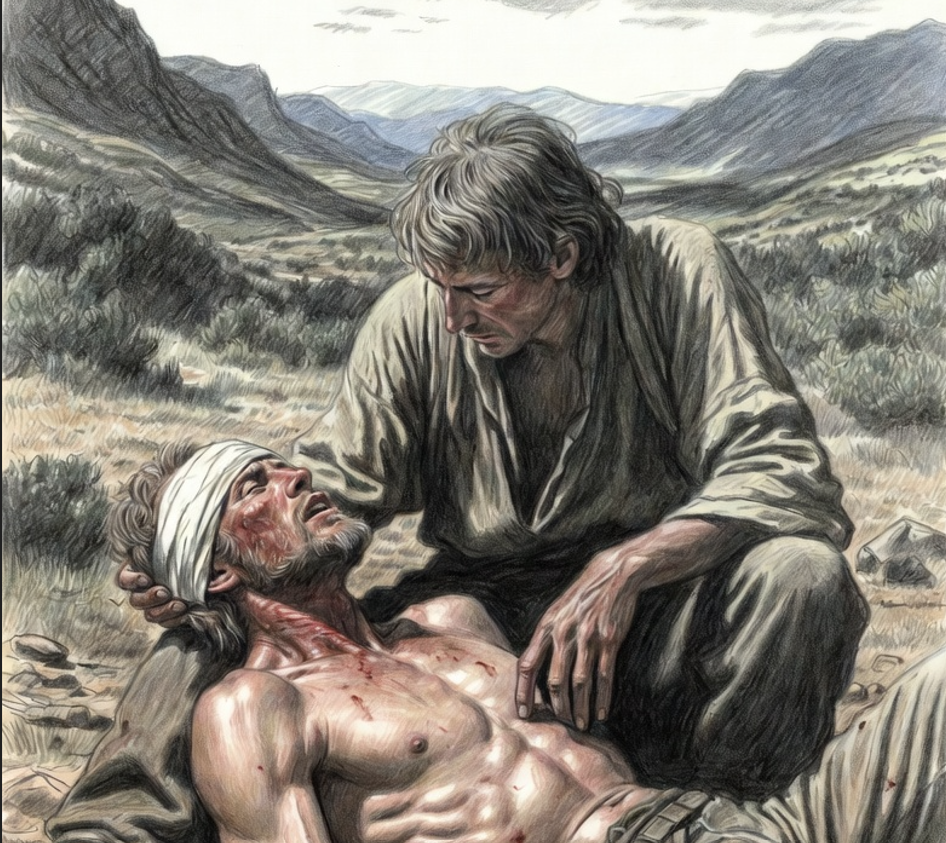
Becoming a Neighbor to the Broken: The Good Samaritan and the Ministry of Presence
The parable of the Good Samaritan is not merely a call to help the hurting. It is a call to become the kind of person who naturally moves toward the broken because the love of God has taken root in us.
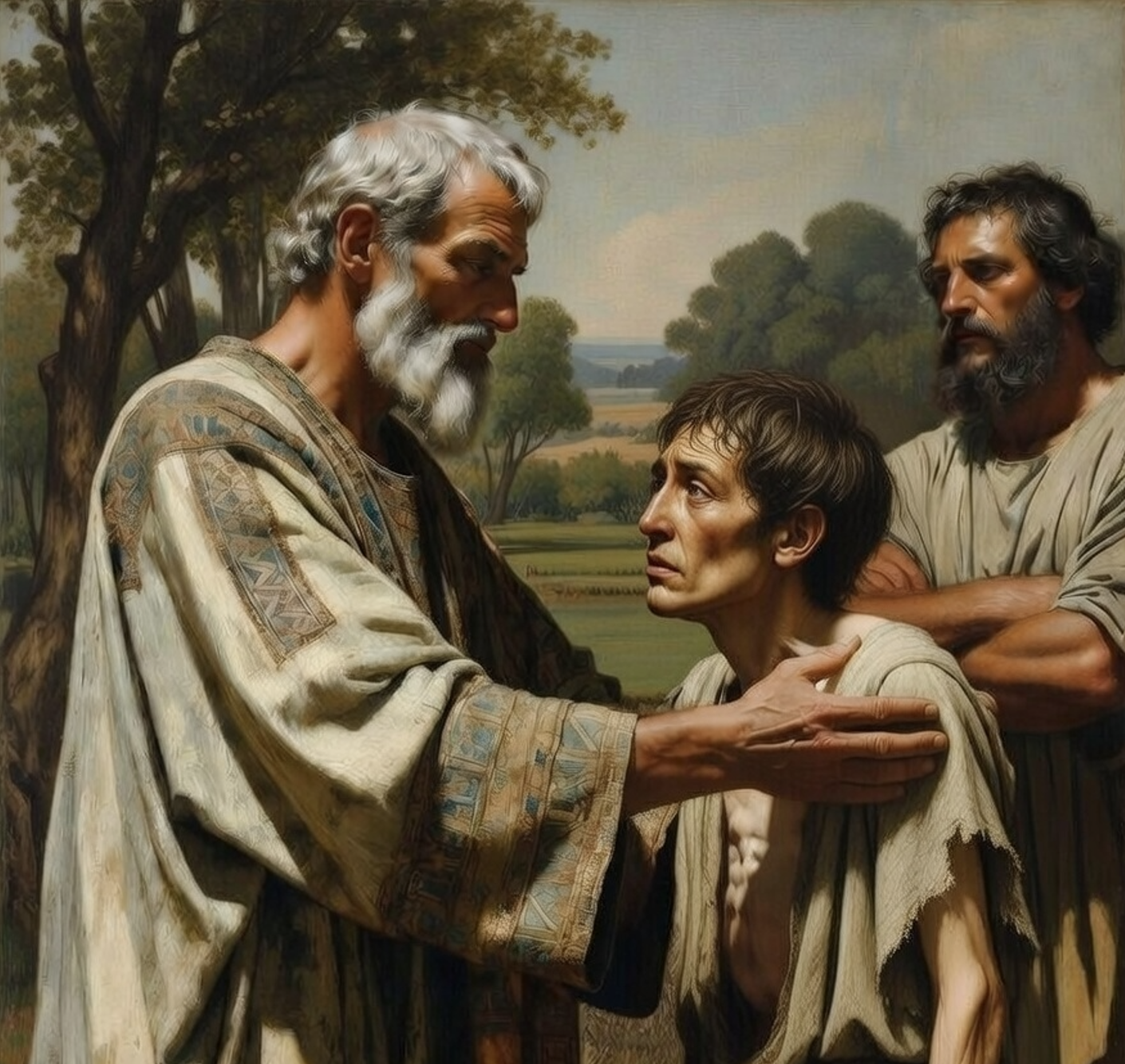
Grace Over Grumbling: Finding Jesus in the Parable of the Two Lost Sons
Jesus' parable in Luke 15:11-32 has sparked endless interpretations, some helpful, others not so much. Early leaders like Ambrose and Augustine turned it into allegory: younger son as sinful Gentiles, elder as jealous Jews, a divisive take that shoehorns church debates into the story.
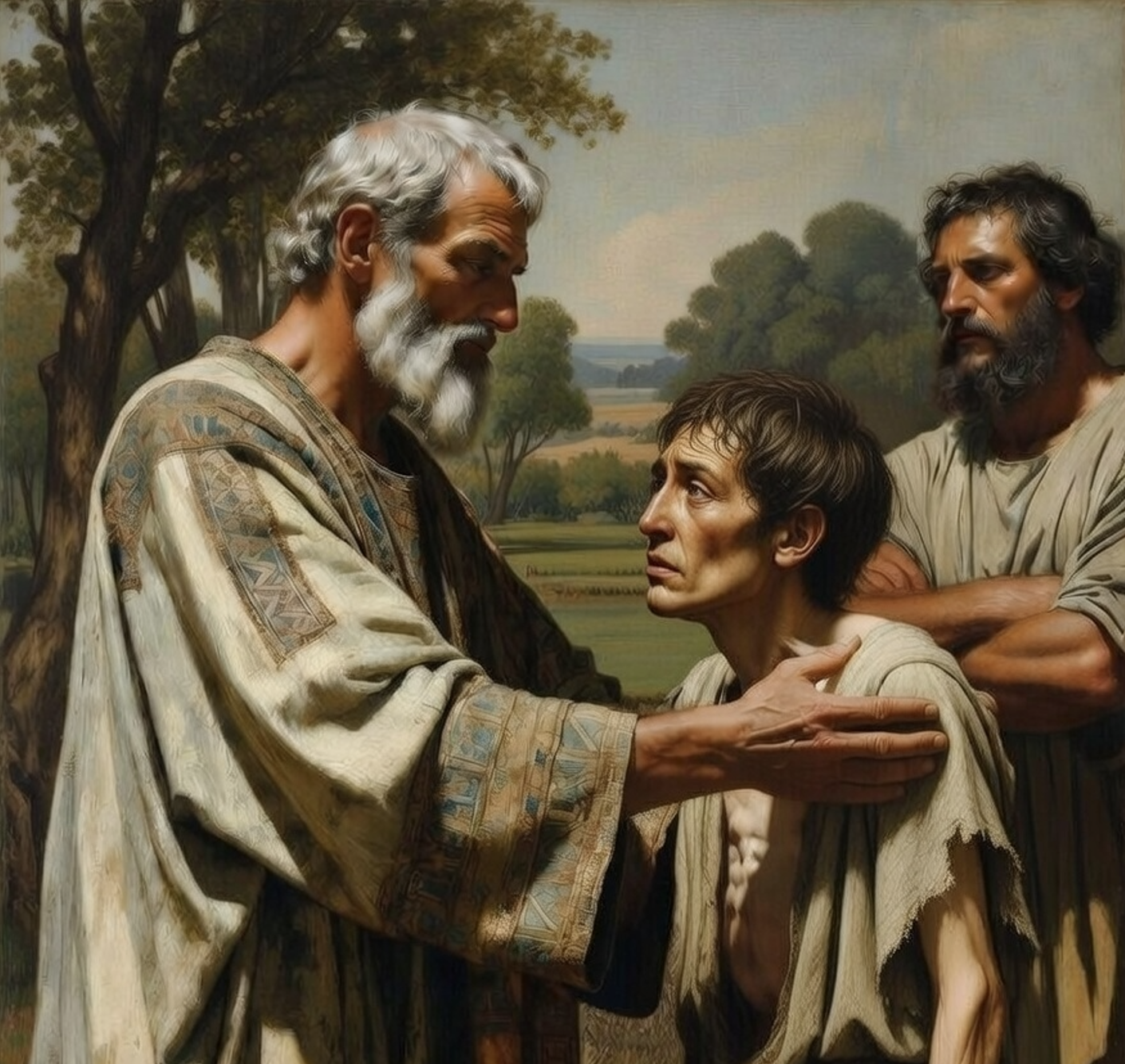
Luke 15 Explained: The Hidden Layers of the Prodigal Son Parable
In Luke 15:11-32, the parable of the two lost sons isn't just a feel-good tale, it's a pointed response to real-life grumbling. Picture the scene: Pharisees and scribes muttering because Jesus shares meals with "sinners" and tax collectors (Luke 15:1-2). Right there, Jesus launches into three stories about lost things being found, with this one as the grand finale.
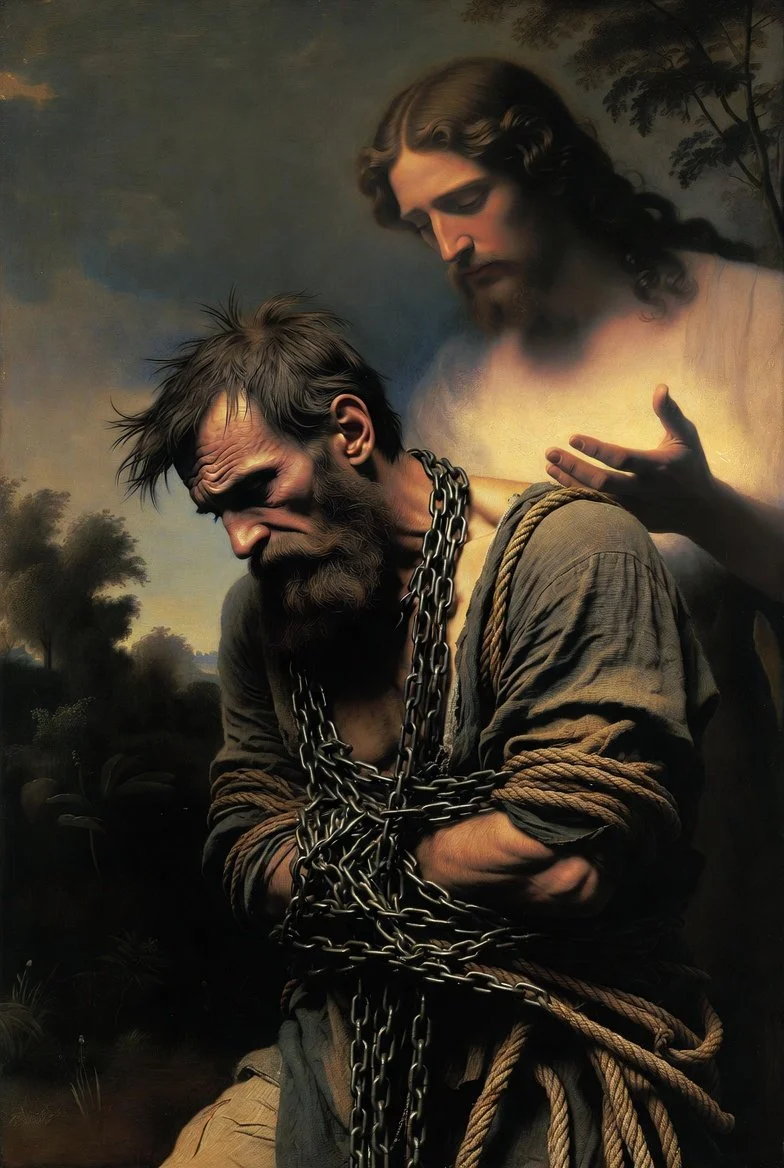
Preaching Religion or Preaching the Gospel: Why the Order Matters
When we preach Christ first: His work, His righteousness, His victory, His resurrection, His Spirit, something miraculous happens. The listener is not crushed by the weight of expectation. They are lifted by the power of grace.

2 Timothy 4:1-8 Explained: How Suffering Refines Authentic Faith in Christ
This passage isn't mere advice; it's Paul's hard-won wisdom from suffering, echoing the Bible's lament tradition, showing how tragedy refines faith into something authentic and enduring. If your pain has left you questioning, keep reading to uncover principles from Paul's charge that reveal suffering's redemptive role, and the hope that anchors it.
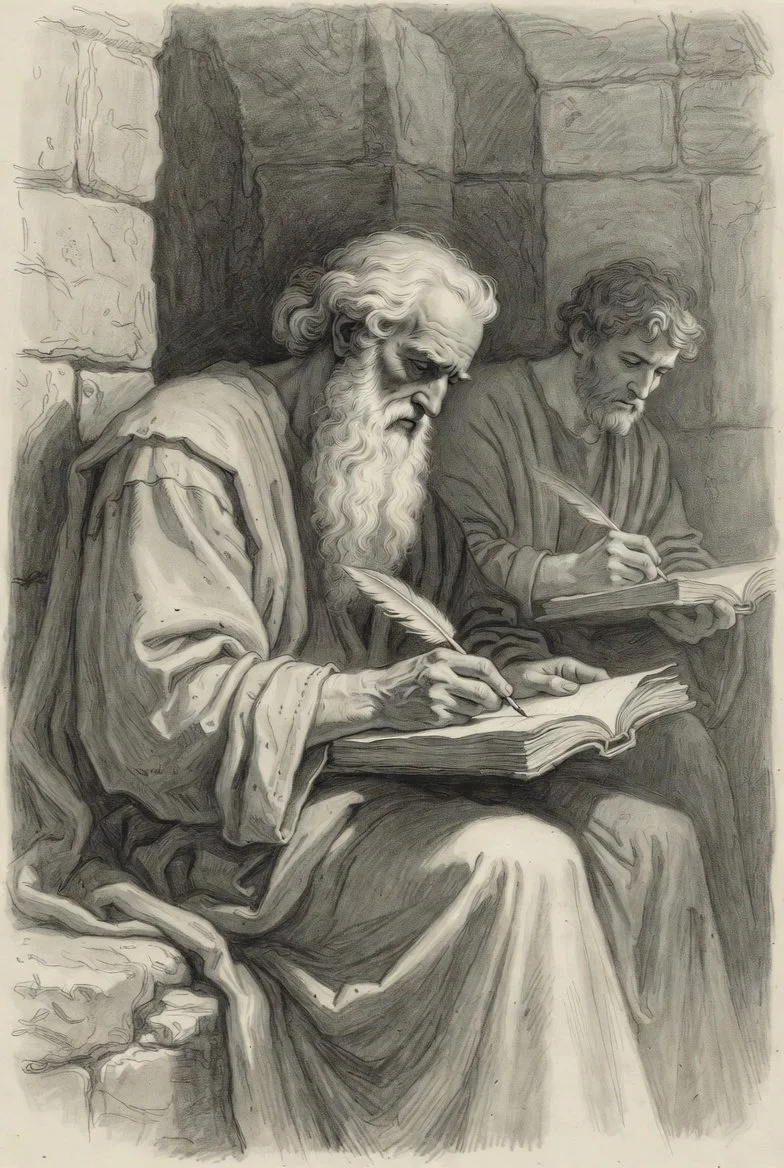
Why Paul Always Begins With the Gospel Before He Ever Talks About Obedience
One of the most important patterns in Paul’s letters is also one of the most easily overlooked. It is the rhythm that shapes nearly everything he writes, from Romans to Galatians to Ephesians and even into the Pastoral Epistles. The pattern is simple but profound: Paul always begins with the gospel, then moves to the believer’s identity, and only after that does he speak about obedience.

Deuteronomy 28 Explained: Why Misreading It Fuels Moralism in Today’s Churches
In many churches today, Deuteronomy 28 is lifted out of this context and applied as a general principle governing individual lives. Obey God's commands (through prayer, tithing, sexual purity) and expect blessing. Falter, and hardship may follow as correction. This can manifest overtly in prosperity teaching, where faith is linked to financial or physical health. More commonly, it appears in subtler moralism: the Bible becomes a collection of guidelines for moral improvement, and faith a matter of willpower indebting God to reward our efforts.

Why Does God Allow Suffering? Finding Hope in His Sovereignty Over the Storm
As Christians, we love to talk about God's blessings, His provision, healing, and miracles. We celebrate when prayers are answered with a "yes," when life feels good and faith seems straightforward. But what happens when the storm hits? When cancer strikes, a loved one dies unexpectedly, a marriage crumbles, or tragedy strikes without warning? In those moments, many of us quietly wonder: Where is God? Does He even care?

Panic and Psalm 55
Psalm 55 is David’s panic attack as he struggles to comprehend an unfolding tragedy. Wrestling with God and seeking refuge from the swirling turmoil, David helps us honestly address feelings of panic.

How Far Will God Go To Show How Much He Cares?
If Amos 9 were an online video it would be preceded by a warning that said the content contains images some may find difficult, viewer discretion is advised. But what Amos 9 displays is there is no height, depth or distance the Lion of Zion will not go, no scenario He will not orchestrate, and no violence He will not take to demonstrate His love and eliminate the barrier between Himself and His people. And not one will be lost.