
Search Articles
Search the archive to uncover reflections, sermons, and studies centered on finding faith and hope amid suffering. Use keywords, scripture references, or topics, like trust, lament, or Habakkuk, to quickly locate teachings that guide spiritual growth through tragedy.
Each result includes a concise summary to help you decide what to read next, whether you want theological insight, pastoral encouragement, or practical steps for living faithfully in hard seasons.
Start your search and find resources designed to strengthen trust and sustain hope.

Recent Publications

Modern Individualism and the Recovery of Identity, Freedom, and Dignity in the Church: Part II
Here's something that should stop you cold. The words dignity, freedom and identity are everywhere right now. On social media, in therapy offices, in church sermons. And yet, according to theologian Allan Snodgrass, they've kept the words while quietly gutting everything that gave them meaning.

Modern Individualism and the Recovery of Identity, Freedom, and Dignity in the Church
The gospel doesn’t erase individuality; it restores it. In Christ persons are known, loved, and given a secure identity that doesn’t depend on performance, reinvention, or social validation. The biblical story dignifies human beings more deeply than modern individualism ever could because it locates their worth in God’s creative and redemptive love.
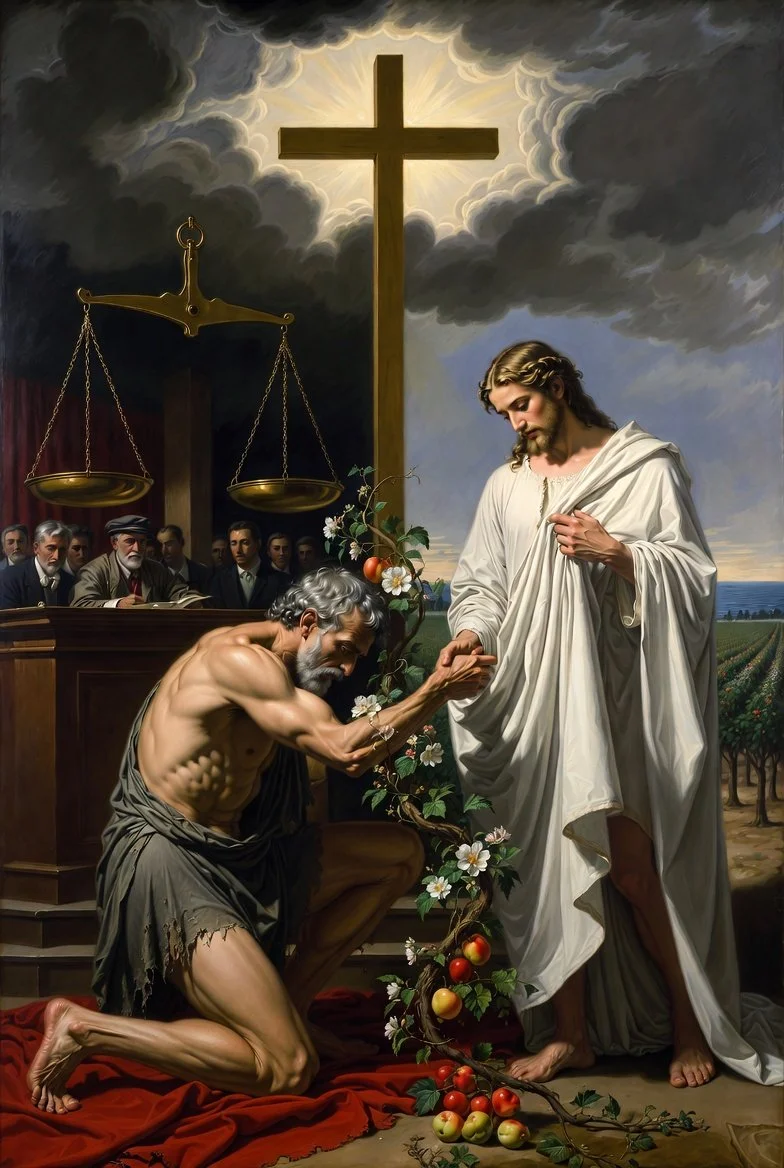
How Can a Sinner Stand Right Before a Holy God?
There is a question that haunts every honest heart sooner or later: How can someone like me, flawed, failing, and full of sin, ever be put right with a perfectly holy God? We sense the distance. We feel the weight. And deep down we wonder whether anything we could ever do would be enough to close the gap.

When the God Who Justifies the Ungodly Leads Us Through Suffering
If God has already declared the ungodly righteous, if He has already clothed sinners in the obedience of Christ, if He has already moved toward us in mercy when we had nothing to offer, then suffering cannot be interpreted as divine rejection. It cannot be a sign that God has stepped back. It cannot be punishment in the judicial sense. The Judge has already rendered His verdict.

Does True Love Require Free Will? Calvin’s Answer on Justification and Human Choice
Why the Doctrine of Justification by Faith Alone Does Not Turn Us Into Robots - A Pastoral Response to Common Objections from Institutes Book 3.
The Old Testament and the Cross
The Old Testament is often invoked to support a retributive view of divine justice, a vision of God whose primary mode of action is proportional payback. Certain passages, especially those involving sacrifice, judgment, or national calamity, are sometimes interpreted as evidence that penal substitution is simply a refined version of retribution theology.
Justification by Faith Alone: Calvin on the Instrument of Justification and Human Agency
What Calvin Really Teaches in Institutes Book 3, Chapters 11–14 - Faith as the Active Yet Non-Contributory Instrument That Receives Christ’s Imputed Righteousness.
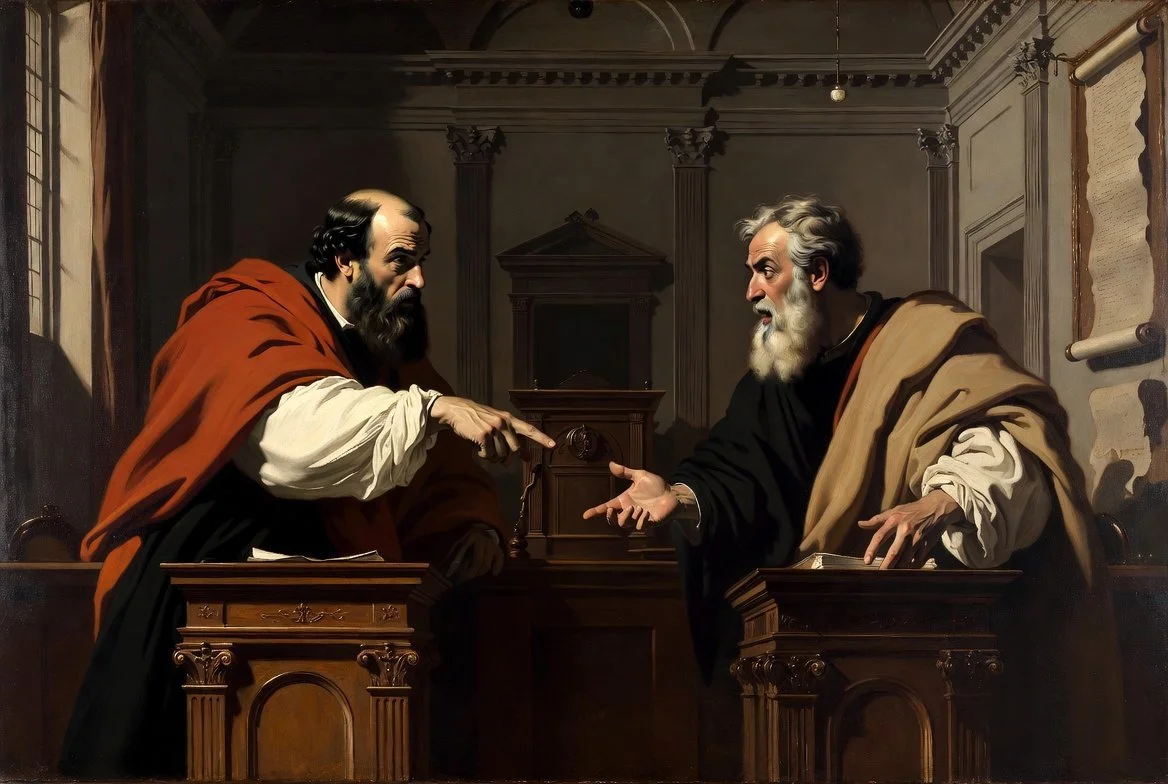
Does James Contradict Paul on Faith and Works?
Paul says we are “justified by faith apart from works of the law” (Romans 3:28).
James says a person is “justified by works and not by faith alone” (James 2:24).
At first glance it sounds like they’re arguing. One of the most common questions I hear from Christians is, “Which one is right?”
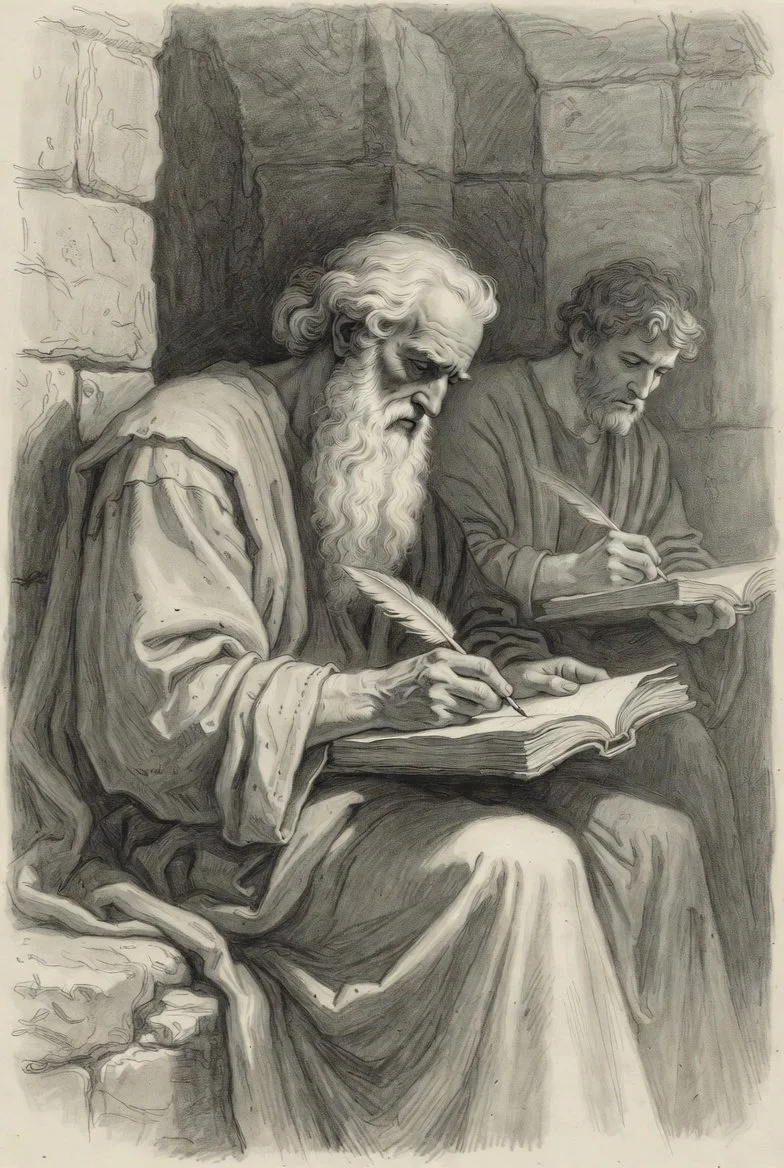
Rethinking Paul’s Gospel: How Substitutionary Atonement Reveals God’s Restorative Justice
Paul never treats divine judgment as a mechanical system of moral retribution. His entire theological imagination is shaped by the conviction that God relates to His people through committed, history‑long faithfulness.

The Transforming Presence of Christ Through the Spirit: Why 2 Corinthians 3:17–18 Matters for Your Life
Discover how 2 Corinthians 3:17–18 reveals the everyday power of the Holy Spirit as the personal presence of the risen Christ. This article shows why real transformation, real freedom, and real endurance in suffering come not from trying harder but from Christ Himself living and working in us through His Spirit. If you’ve ever wondered how Jesus is actually with you in your daily walk, this passage offers the hope your heart has been looking for.
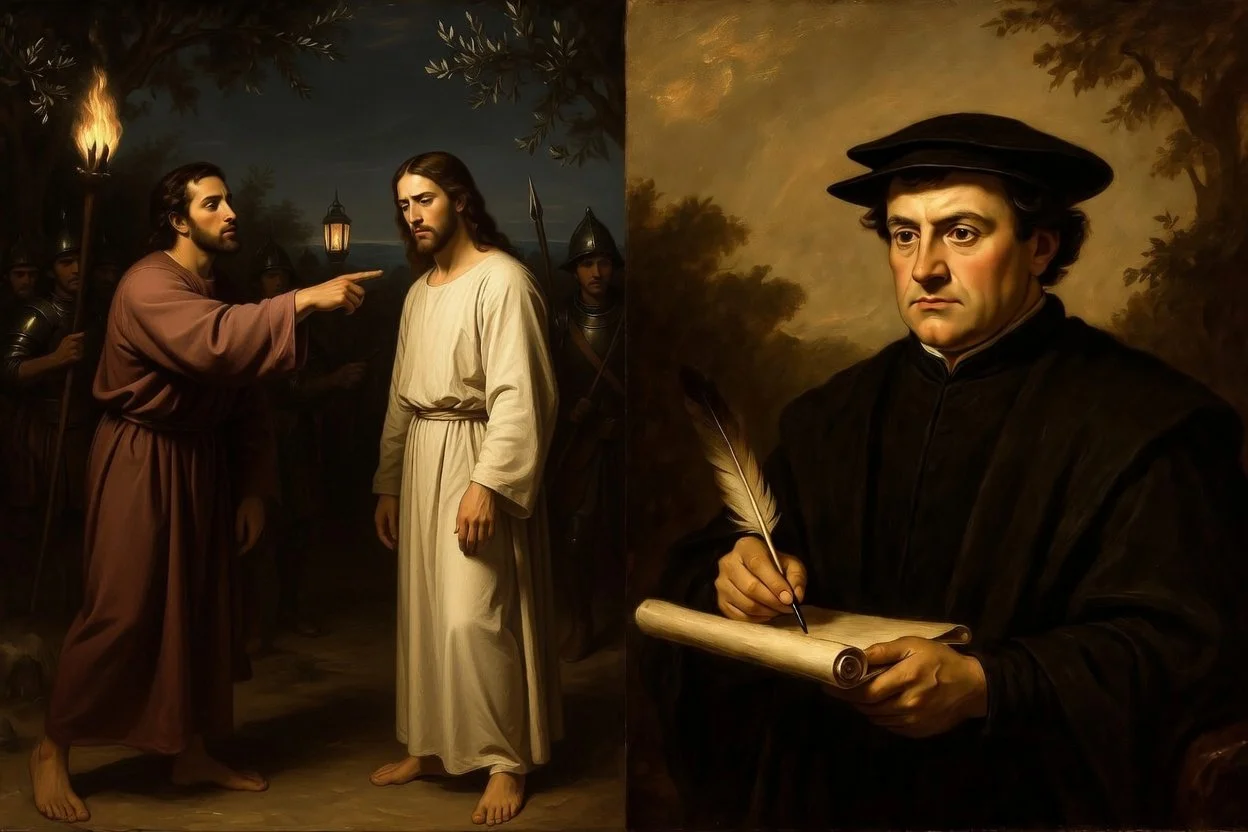
Judas Betrayal: Free Will or God’s Sovereignty
Many sincere Christians today experience a genuine tension in their walk with God. They hear biblical teaching on God’s absolute sovereignty, His complete rule over history, creation, and the details of individual lives, yet they are also regularly encouraged to “choose God,” “decide for Christ,” and take personal responsibility for faith and moral living. This raises practical questions: If God is sovereign over everything, including my decisions, do I truly have freedom? Am I merely a puppet? And if my choices are not ultimately independent, how can God justly hold me accountable for sin or expect heartfelt love for Him?
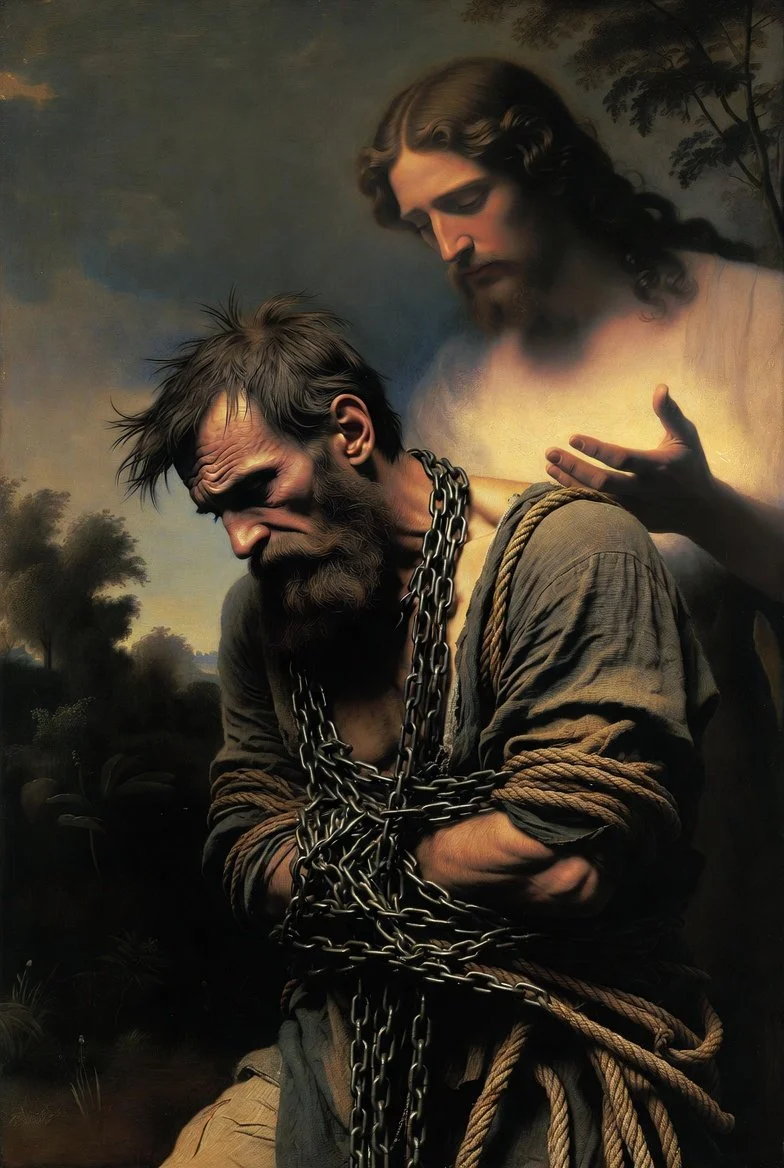
Preaching Religion or Preaching the Gospel: Why the Order Matters
When we preach Christ first: His work, His righteousness, His victory, His resurrection, His Spirit, something miraculous happens. The listener is not crushed by the weight of expectation. They are lifted by the power of grace.

2 Timothy 4:1-8 Explained: How Suffering Refines Authentic Faith in Christ
This passage isn't mere advice; it's Paul's hard-won wisdom from suffering, echoing the Bible's lament tradition, showing how tragedy refines faith into something authentic and enduring. If your pain has left you questioning, keep reading to uncover principles from Paul's charge that reveal suffering's redemptive role, and the hope that anchors it.
Why Paul Always Begins With the Gospel Before He Ever Talks About Obedience
One of the most important patterns in Paul’s letters is also one of the most easily overlooked. It is the rhythm that shapes nearly everything he writes, from Romans to Galatians to Ephesians and even into the Pastoral Epistles. The pattern is simple but profound: Paul always begins with the gospel, then moves to the believer’s identity, and only after that does he speak about obedience.
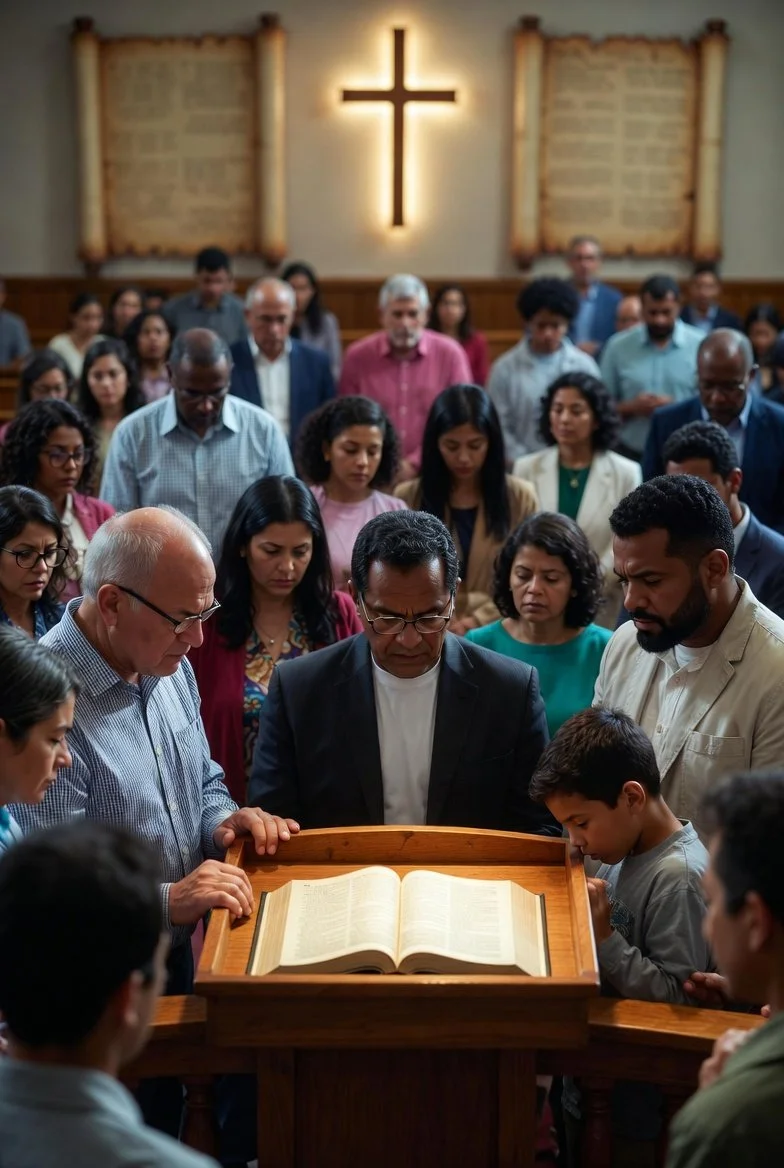
Deuteronomy 28 Explained: Why Misreading It Fuels Moralism in Today’s Churches
In many churches today, Deuteronomy 28 is lifted out of this context and applied as a general principle governing individual lives. Obey God's commands (through prayer, tithing, sexual purity) and expect blessing. Falter, and hardship may follow as correction. This can manifest overtly in prosperity teaching, where faith is linked to financial or physical health. More commonly, it appears in subtler moralism: the Bible becomes a collection of guidelines for moral improvement, and faith a matter of willpower indebting God to reward our efforts.

Jesus Plus Something Else: Why Does the Old Galatian Error Feel So Familiar Today
The most dangerous threat to the gospel in the first-century church was not pagan immorality or obvious heresy. It was the sincere, Bible quoting insistence that Jesus was not enough, that grace must be supplemented by human obedience to a visible code.

Functional Atheism
Remedy lies not in technique but surrender, praying within divine will, rejoicing amid unraveling, trusting unseen hands. From lip-service to lived faith, panic to peace, idolatry to adoration. Release clutched details; the galaxy-Creator governs faithfully.

Where Does Meaning Come From?
In Genesis 3:5 there is a deceptive truth spoken from a liar to the ears and hearts of ones who were willing to listen and act on the information. A statement that, while true, tickled the curiosity and rationale of a couple that were intrigued by the idea of being like their Creator.
“For God knows that on the day you eat from it your eyes will be opened, and you will become like God, knowing good and evil.” (Gen 3:5).