
Autotheos and Nicene Orthodoxy: Reconsidering the Son’s Aseity in Light of Pro‑Nicene Grammar and the Limits of Privation Theodicy
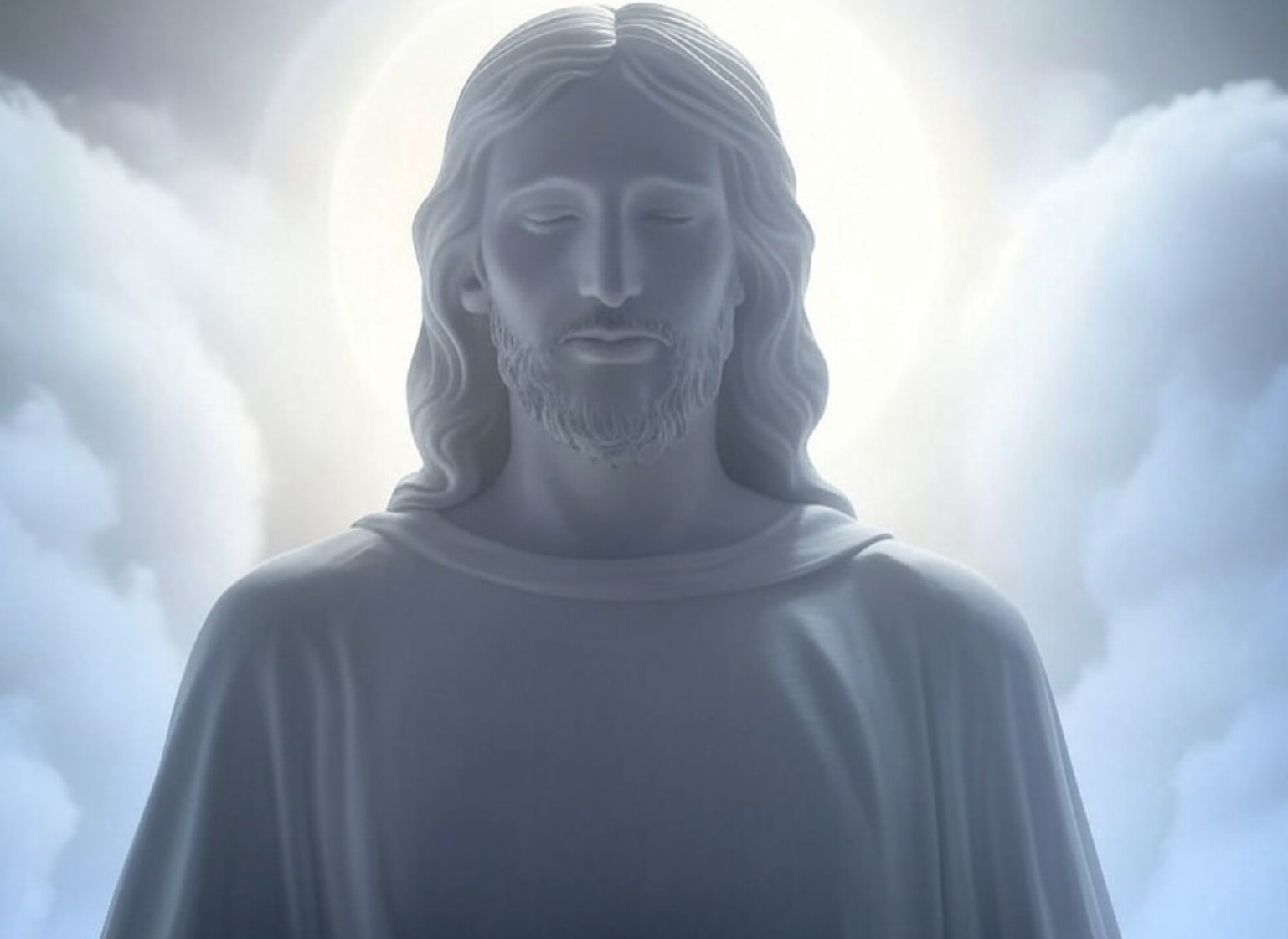
Christ as God and Person
Thesis
This article argues that Calvin’s claim that the Son is autotheos, “God of Himself”, directly addresses a long‑standing tension in how some readers interpret the Nicene Creed. On one hand, the Creed proclaims the Son as “God from God”; on the other, it insists that He is “true God from true God,” fully and eternally divine. A certain reading of this language can make the Son’s deity appear derivative, as though His being God depends on the Father’s communication of essence. Calvin’s careful distinction between how Scripture speaks of God’s essence and how it speaks of the persons resolves this tension, preserving both the Son’s eternal generation and His full, underived deity.
When this Nicene grammar is retrieved, it also reshapes how Christians think about evil and suffering. Classical Augustinian privation theory leans on philosophical accounts of being to explain what evil is, but Calvin’s autotheos anchors the doctrine of God in revelation, showing that the God who is “of Himself” is also the God who steps into the world’s tragedy, bears its weight, and overcomes it. In this way, autotheos becomes not only a trinitarian clarification but a theological reorientation toward the God who reveals Himself in the Son for the healing of a broken world.
Introduction
The Nicene Creed’s language about the Son has always carried a kind of gravitational pull. It confesses Him as “begotten of the Father,” “God from God,” and yet also “true God from true God.” For many readers, especially those approaching the Creed through later metaphysical lenses, these phrases can seem to tug in different directions. If the Son is “from” the Father, does that mean His deity is somehow derived? Does “begotten” imply a communication of essence? And if so, what becomes of the Son’s full and eternal Godhood?
Calvin steps directly into this tension with his doctrine of autotheos, “God of Himself.” He does not deny the Son’s eternal generation, nor does he flatten the personal distinctions within the Trinity. Instead, he retrieves the pro‑Nicene distinction between essential and personal predication, the very grammar the Cappadocians used to safeguard both the unity of the divine essence and the real relations of the persons.
The Creed never meant that the Father communicates deity to the Son; it meant that the Father communicates personhood. Calvin simply makes explicit what Nicene theology already assumed: the Son possesses the divine essence underivatively, even as He receives His personal identity eternally from the Father.
Naming this tension up front matters, because it shapes how we think about God’s goodness in a world marked by suffering. Classical Augustinian privation theory, for all its metaphysical elegance, begins with philosophical accounts of being and goodness that attempt to explain evil by reasoning upward from human rational and creaturely effects to divine being. Calvin’s autotheos challenges that starting point. It insists that our knowledge of God begins with revelation, with the God who makes Himself known in the Son who is true God, possessing life in Himself (John 5:26).
When theology begins there, the problem of evil is no longer addressed by abstract accounts of what evil is, but by the story of what God has done. The God who is “of Himself” is also the God who enters suffering, bears it, and overcomes it through the cross and resurrection. This article explores how Calvin’s retrieval of Nicene grammar not only resolves a doctrinal tension but also grounds Christian hope in the triune God who reveals Himself in love for a world in need.
Nicene Grammar: Essence and Person
The Nicene Creed confesses that the Son is “begotten, not made,” and “of one essence with the Father.” These statements operate in two registers.
When the Creed speaks of the Son as “begotten,” it speaks personally, describing the Son’s eternal relation to the Father.
When it speaks of the Son as “true God from true God,” it speaks essentially, describing the Son’s full possession of the divine nature.
The Cappadocians were explicit about this distinction. Basil of Caesarea insisted that the Father is “cause” of the Son’s person, not of the divine essence, because the divine essence is simple, indivisible, and underived. Gregory of Nyssa argued that the divine nature is wholly possessed by each person, without division or communication. Athanasius repeatedly emphasized that the Son’s deity is not a secondary or derivative deity but the same deity as the Father’s.
Modern scholarship has demonstrated that this distinction between essential and personal predication is the heart of pro‑Nicene theology. Brannon Ellis shows that the Nicene fathers consistently refused to treat eternal generation as a communication of essence, precisely because such a move would undermine consubstantiality. Tyler Wittman notes that the Creed’s language of “from” is relational, not metaphysical, and that the Son’s deity is underived because the divine essence itself is underived. Nathan Shannon argues that Calvin’s autotheos is simply a disciplined application of this pro‑Nicene grammar, protecting the Son’s aseity from later metaphysical distortions.
Calvin’s Autotheos: Essence Underived, Person Derived
Calvin’s formulation of autotheos appears most clearly in Institutes I.13. There he insists that the Son is “God of Himself,” not because He is personally independent of the Father, but because He possesses the divine essence underivatively. Calvin’s argument turns on the same distinction used by the Nicene fathers: essential predication is non‑relative, while personal predication is relative. As God, the Son is underived; as Son, He is eternally begotten.
Calvin writes, “We say that the Word is truly God, and that He is of Himself, yet we also say that He is from the Father.” The apparent contradiction dissolves once one recognizes that “of Himself” refers to essence, while “from the Father” refers to person.
Calvin refuses to allow eternal generation to be described as a communication of essence, because such a description would make the Son’s deity derivative and thus compromise Nicene consubstantiality. Instead, he insists that the Son’s deity is underived because the divine essence itself is underived.
The Father does not give deity to the Son; the Father begets the Son as person. The Son’s deity is identical to the Father’s deity, not a secondary copy.
This distinction is grounded in Scripture. Jesus declares, “As the Father has life in Himself, so He has granted the Son also to have life in Himself” (John 5:26). The Son’s possession of life “in Himself” is not a temporal gift but an eternal reality. The Father’s “granting” is not a communication of essence but the eternal relation of begetting. The Son possesses life “in Himself” because He possesses the divine essence, which is life itself (John 1:4).
Autotheos, Privation Theodicy, and Biblical Theology
Calvin’s autotheos also has implications for broader theological reflection, particularly when set alongside the Augustinian privation theodicy and modern biblical‑theological approaches to suffering.
Classical privation theory, rooted in Augustine and later refined by Aquinas, begins not with the narrative shape of Scripture but with a metaphysical account of being and goodness. In this tradition, God is pure act and the fullness of being; evil, therefore, cannot be a positive substance but must be understood as a privation of good. This account is elegant and coherent, yet it is unmistakably dependent on the philosophical categories of late antiquity and medieval scholasticism.
While this metaphysical approach has enduring value, it leans heavily on natural theology’s ability to reason from effects to a perfect being. Shannon argues that Calvin’s autotheos exposes the limits of such reasoning by insisting that our knowledge of God’s triune life is governed by revelation, not metaphysics. Autotheos reorders metaphysical reflection around the revealed identity of the triune God: Father, Son, and Spirit; rather than around abstract notions of being, act, or perfection.
An illustration helps clarify the difference.
Privation theory is like examining a tapestry from the back side: one sees the threads, knots, and structural logic, and from this vantage point can infer how the tapestry must hang together. The metaphysical structure is real, and the analysis can be accurate. But biblical theology turns the tapestry around. It looks at the front: at the story, the colors, the scenes of redemption, and sees not merely the structure of being but the drama of God’s self‑revelation.
Privation theory tells us that evil is a tear in the fabric; biblical theology shows us the weaver who enters the tapestry Himself, repairing the tear from within.
Autotheos ensures that the one who steps into the tapestry is not a lesser figure or metaphysical intermediary but the self‑existent God whose life is the very fabric of reality.
This difference in starting point, philosophical ontology versus biblical revelation, has real‑world consequences for how Christians interpret suffering and tragedy. Privation theory can explain what evil is, but it cannot account for the God who enters history, bears evil’s weight, and overcomes it through the cross and resurrection. Biblical theology sees evil not merely as a metaphysical deficiency but as a hostile power ultimately defeated by the crucified and risen Christ. In this narrative, the Son’s autotheos matters profoundly: the one who suffers for humanity is not a secondary deity but the self‑existent God who freely takes on flesh and bears the weight of evil in His own body.
Conclusion
Calvin’s doctrine of autotheos proves to be far more than a technical refinement within trinitarian theology; it is a reorientation of the theological landscape around the self‑revelation of the triune God. By distinguishing essential predication from personal predication, Calvin retrieves the deepest logic of Nicene orthodoxy, safeguarding both the Son’s eternal generation and His full, underived deity. This retrieval becomes especially significant when placed alongside the Augustinian privation theodicy.
Privation theory, though historically rich and metaphysically elegant, depends on philosophical categories that attempt to ascend from human rational and creaturely effects to divine being. Calvin’s autotheos exposes the limits of such an approach by insisting that knowledge of God begins with revelation, specifically, the revelation of the Son who is Himself true God, possessing life in Himself.
This shift is not a minor adjustment but a fundamental reorientation: it means that Christians do not build their understanding of God by climbing the ladder of metaphysics, but by receiving the God who descends to us in grace. And because revelation gives us the Son, the God who enters suffering rather than merely explaining it, autotheos anchors the doctrine of God in the living reality of divine self‑giving rather than in abstract accounts of being.
In real terms, this means that the Christian hope rests not on our ability to reason our way to God, but on God’s willingness to make Himself known in the One who bears our wounds and overcomes evil from within the story of the world.
This shift from philosophical ontology to biblical revelation reshapes how Christians interpret suffering and tragedy. Privation theory can describe evil as a lack of good, but it cannot account for the God who enters history, bears evil’s weight, and overcomes it through the cross and resurrection.
Biblical theology, grounded in the autotheos of the Son, proclaims that the one who suffers for humanity is not a metaphysical intermediary but the self‑existent God whose life is poured out in love for a broken world. Autotheos therefore anchors Christian hope in the triune God who is both “of Himself” and “for us.” In retrieving this Nicene grammar, Calvin offers a vision of God that is metaphysically coherent, biblically faithful, and pastorally sufficient for the deepest wounds of human experience.
Bibliography
Athanasius. Against the Arians.
Augustine. Enchiridion on Faith, Hope, and Love.
Basil of Caesarea. On the Holy Spirit.
Calvin, John. Institutes of the Christian Religion. 1559.
Ellis, Brannon. Calvin, Classical Trinitarianism, and the Aseity of the Son. Oxford: Oxford University Press, 2012.
Gregory of Nyssa. On Not Three Gods.
Shannon, Nathan D. “Aseity of Persons and the Oneness of God: A Review Essay of Brannon Ellis on Calvin’s Trinitarian Theology.” Philosophia Christi 16.1 (2014).
Thomas Aquinas. Summa Theologiae.
Wittman, Tyler R. “Calvin, Classical Trinitarianism, and the Aseity of the Son.” Credo Magazine (2013).