
Search Articles
Search the archive to uncover reflections, sermons, and studies centered on finding faith and hope amid suffering. Use keywords, scripture references, or topics, like trust, lament, or Habakkuk, to quickly locate teachings that guide spiritual growth through tragedy.
Each result includes a concise summary to help you decide what to read next, whether you want theological insight, pastoral encouragement, or practical steps for living faithfully in hard seasons.
Start your search and find resources designed to strengthen trust and sustain hope.

Recent Publications
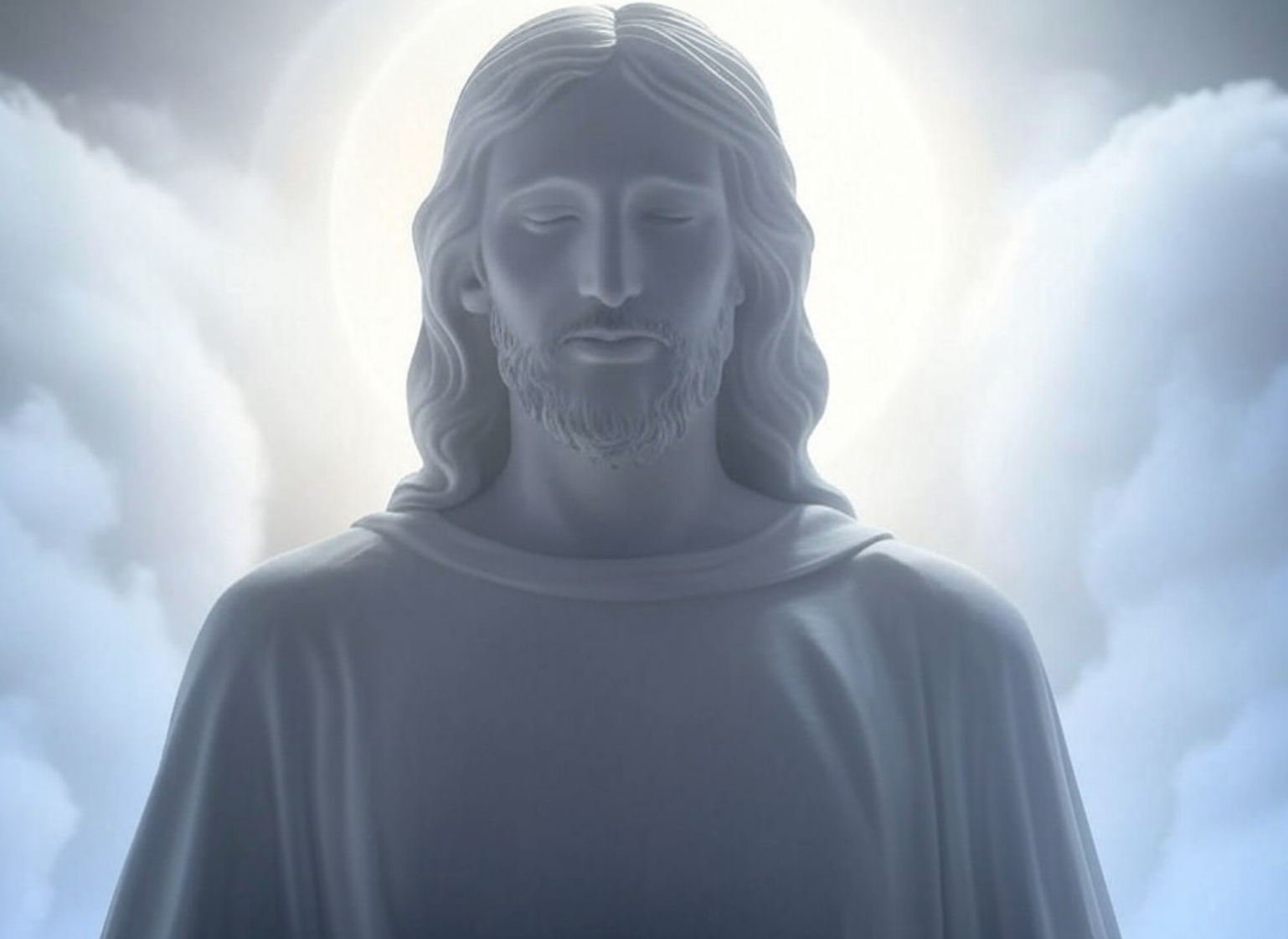
Autotheos and Nicene Orthodoxy: Reconsidering the Son’s Aseity in Light of Pro‑Nicene Grammar and the Limits of Privation Theodicy
This article argues that Calvin’s claim that the Son is autotheos, “God of Himself”, directly addresses a long‑standing tension in how some readers interpret the Nicene Creed. On one hand, the Creed proclaims the Son as “God from God”; on the other, it insists that He is “true God from true God,” fully and eternally divine.
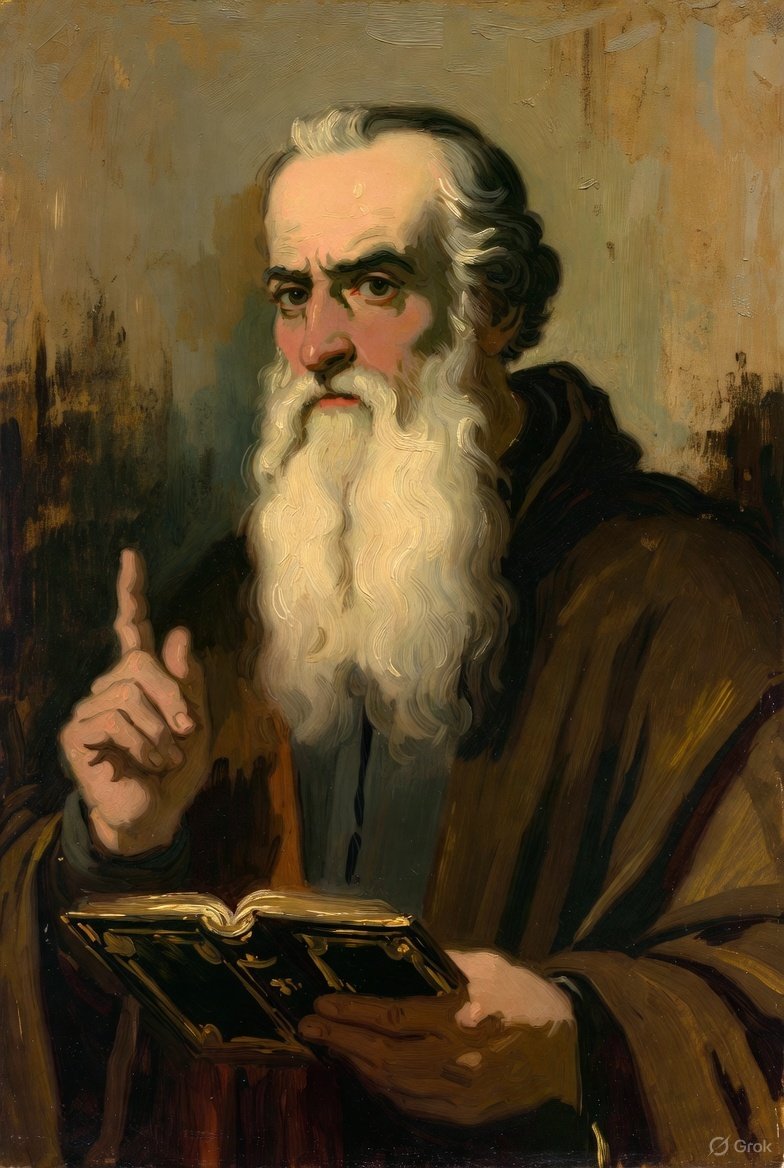
Evil Is Real, and It Is Nothing
Evil Is Real, and It Is Nothing: A Biblical-Augustinian Fusion Against Humanistic Distortion
Scripture Does Not Speak Softly About Evil
The Bible never treats evil as illusion, metaphor, or mere perspective. From the opening chapters of Genesis, evil stands as a concrete, objective force that corrupts and destroys. “The Lord saw how great the wickedness of the human race had become on the earth, and that every inclination of the thoughts of the human heart was only evil all the time” (Genesis 6:5). This is not hyperbole; it is divine diagnosis.

The Allure of Privation
Human Goodness, Corruption, and the Prideful Quest for Divine Recognition
In an era dominated by psychological self-help and therapeutic culture, the privation theory of evil offers a profoundly appealing but flawed vision of humanity.

When “Just Be Better” Isn’t Enough
A Reflection on Evil, Privation, and the Cry of the Cross
Jesus’ words from the cross cut through every tidy explanation of suffering. They are not the complaint of a man who made poor choices. They are the anguished cry of the sinless Son of God, nailed to wood by the collective evil of humanity, abandoned in a way none of us will ever fully grasp.

The Shortcomings of Augustine’s Theory of Evil as Privation: Philosophical and Biblical Insufficiencies
Augustine maintained that all creation is inherently good (omnia bona) because it proceeds from a perfectly good Creator (Confessions VII.12; City of God XI.21). Evil, therefore, has no ontological status; it is a defect, like blindness in an eye or rust on iron.

The Influence of Dualism on Augustine’s Understanding of the Problem of Evil
Although Augustine ultimately rejected Manichaean dualism, its influence lingered in his language, psychology, and metaphysics for years. This essay traces that influence across his career, showing how he gradually replaced a cosmic conflict of substances with a Christian doctrine of evil as privatio boni (privation of good), original sin, and divine grace. The analysis draws on Augustine’s own reflections in his Retractationes (Reconsiderations), where he critiques and corrects his earlier statements.

The Evolution of Augustine’s Theodicy
From the Intimate Struggles of Confessions to the Cosmic Drama of The City of God
Augustine of Hippo (354–430 CE) wrestled with the problem of evil more persistently and profoundly than many thinkers in the Christian tradition. His theodicy, the effort to reconcile evil’s existence with God’s goodness and omnipotence, did not emerge fully formed but developed across decades of intellectual, spiritual, and personal upheaval.