
Search Articles
Search the archive to uncover reflections, sermons, and studies centered on finding faith and hope amid suffering. Use keywords, scripture references, or topics, like trust, lament, or Habakkuk, to quickly locate teachings that guide spiritual growth through tragedy.
Each result includes a concise summary to help you decide what to read next, whether you want theological insight, pastoral encouragement, or practical steps for living faithfully in hard seasons.
Start your search and find resources designed to strengthen trust and sustain hope.

Recent Publications
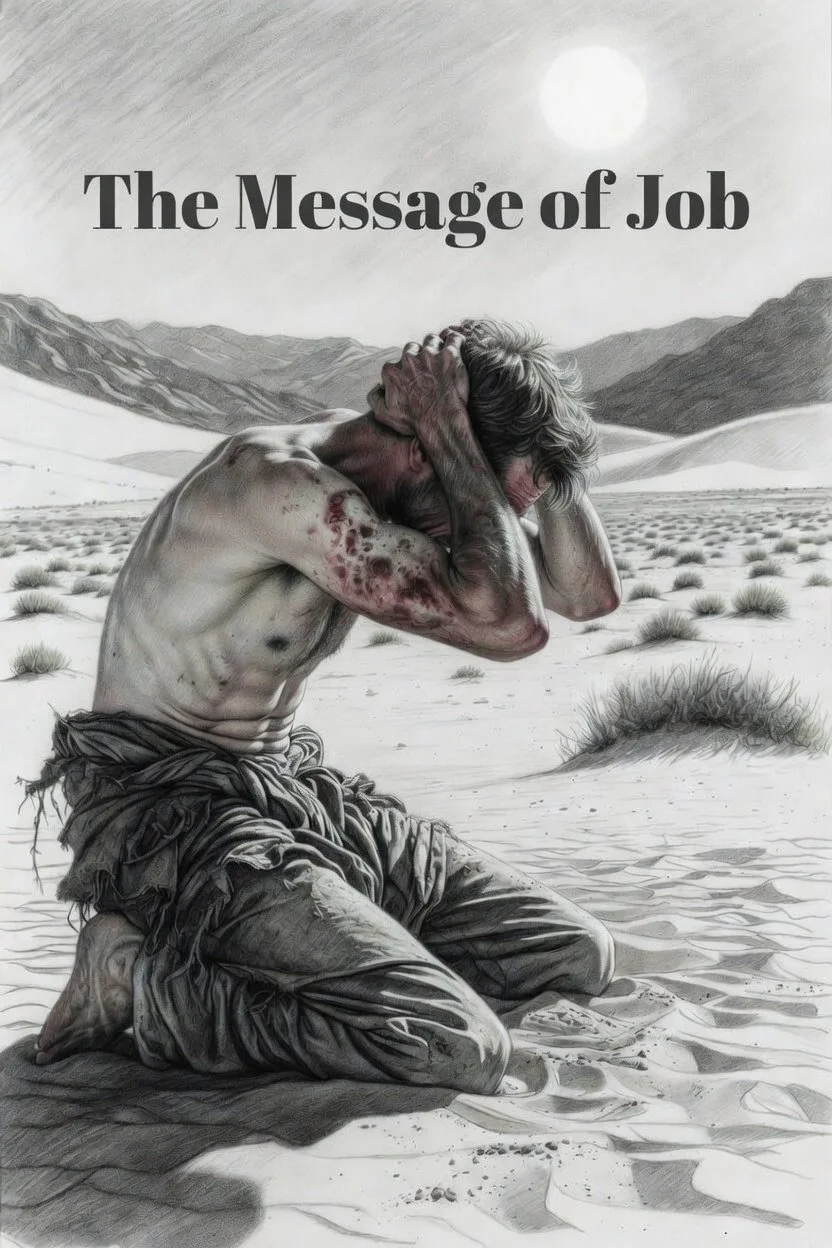
The Message of Job, by Daniel J. Simundson: Chapter 7
This final chapter of Simundson’s commentary brings the book of Job to its dramatic and deeply moving climax. After the long, exhausting cycles of debate between Job and his three friends, and after Elihu’s lengthy monologues, God finally breaks the silence and speaks directly to Job out of the whirlwind.
The Message of Job, by Daniel J. Simundson: Chapter 6
In this chapter, David Simundson turns his attention to the speeches of Elihu in Job 32–37, a section that feels like a dramatic interruption in the flow of the book.
The Message of Job, by Daniel J. Simundson: Chapter 5
This chapter of David Simundson’s commentary brings the long dialog section of the book of Job to a decisive close. After three full cycles of debate between Job and his three friends have reached a complete impasse, the friends fall silent.

When Theological Confidence Becomes a Counterfeit Virtue
Theologically elite pastors and friends often believe they are defending God. In reality, they are defending a system that cannot bear the weight of real suffering. Job’s friends believed they were speaking for God. But God rejects their theology and vindicates the one who dared to lament. A Christ‑centered theology does not fear lament. It does not silence the wounded. It does not cling to systems that collapse under the pressure of human pain. It looks to the cross, where God himself enters the suffering of the innocent and reveals a love that is deeper than explanation and stronger than death.
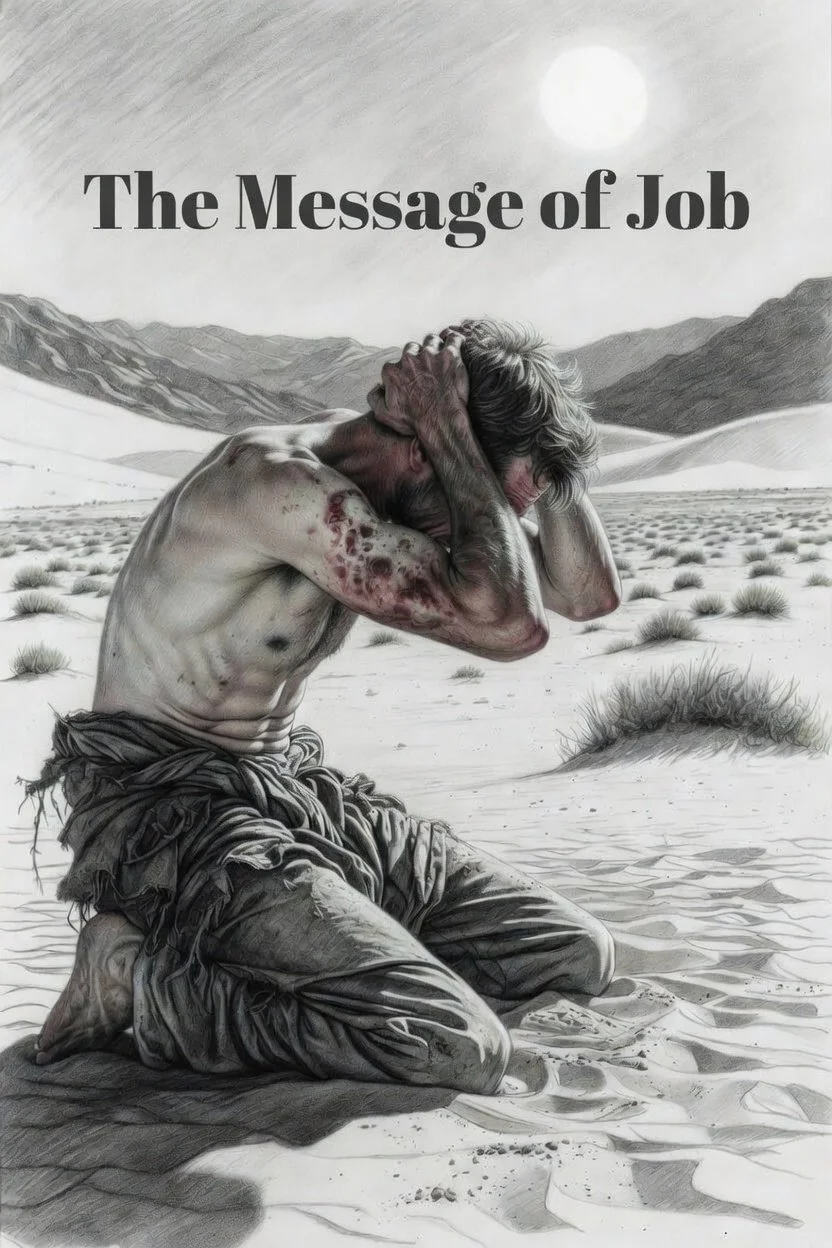
The Message of Job, by Daniel J. Simundson: Chapter 4
Chapter 4 of Daniel J. Simundson’s The Message of Job examines the second and third cycles of speeches in the book of Job, covering chapters 15 through 27.

When Innocent Suffering Shatters Our Explanations: What Job Teaches Us About Real‑World Tragedy
In a world where tragedy is real and innocence does not guarantee safety, Job’s story becomes a companion for those who grieve and a corrective for those who would rush to interpret their grief.
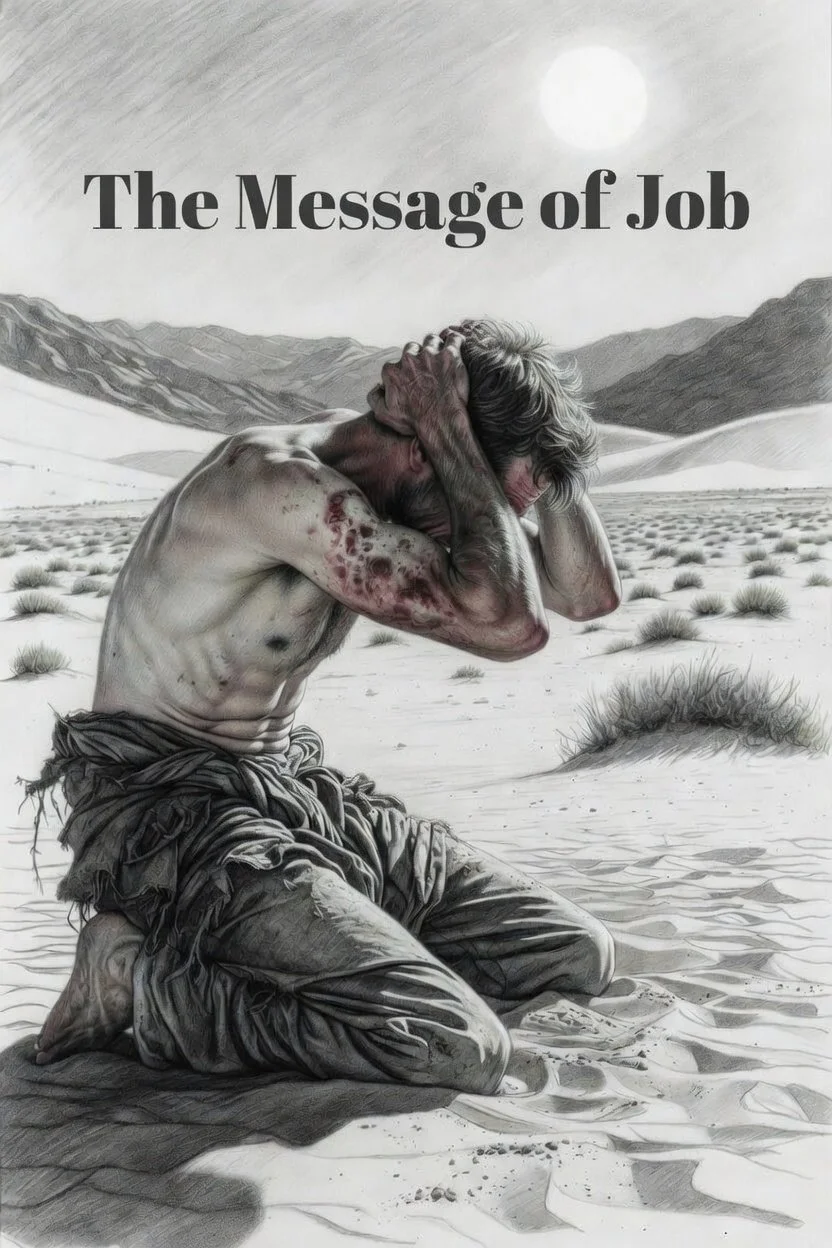
The Message of Job, by Daniel J. Simundson: Chapter 3
Chapter 3 of Daniel J. Simundson’s The Message of Job examines the first cycle of speeches in the book of Job, beginning with Job’s lament in chapter 3 and continuing through the responses of Eliphaz and Job’s reply in chapters 4 through 7.
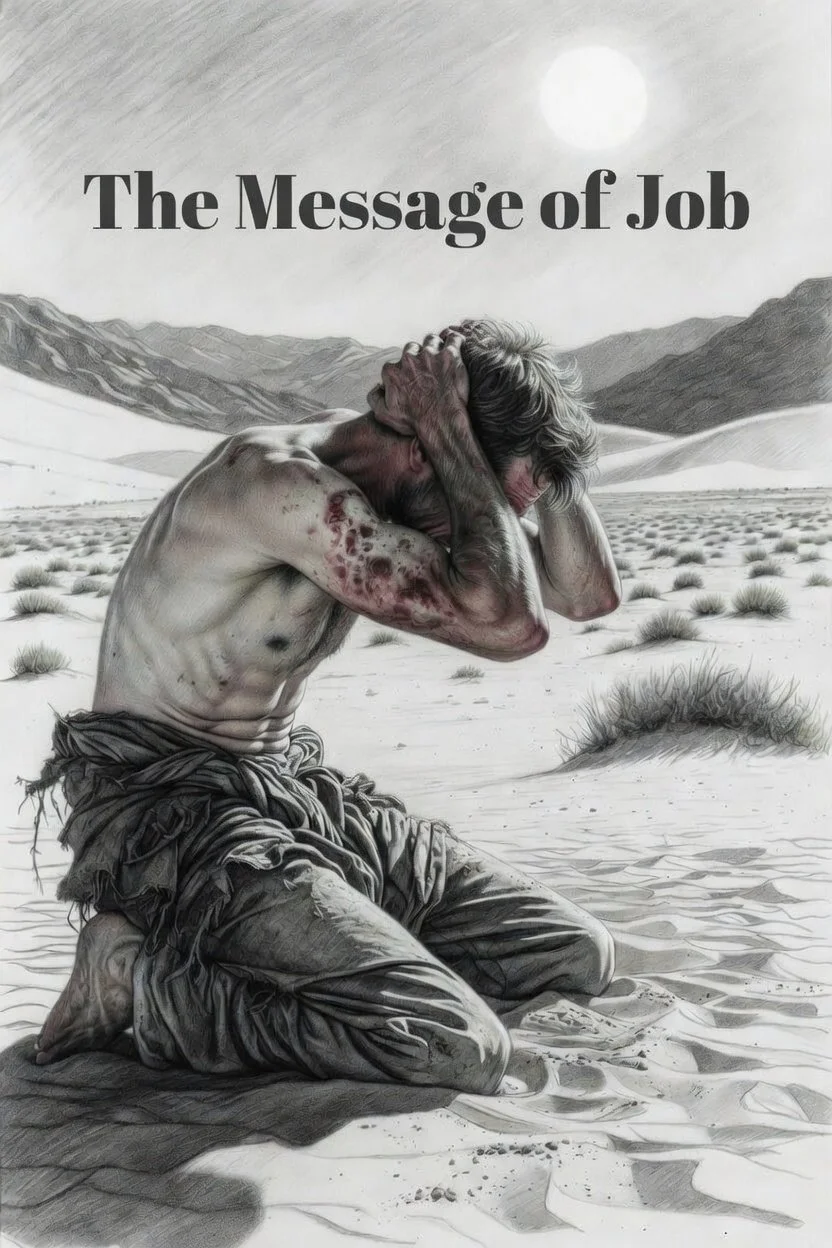
The Message of Job, by Daniel J. Simundson: Chapter 2
Chapter 2 of Daniel J. Simundson’s The Message of Job examines the opening two chapters of the biblical book of Job, commonly called the prolog.
The Message of Job, by Daniel J. Simundson: Chapter 1
Chapter 1 of The Message of Job introduces the reader to the central theological and pastoral tensions that shape the entire book of Job.

Is God In Control When Tragedy Happens?
Is God in control? In a sense yes, but it is not a control like is commonly assumed. It is not as though God has a game box controller that pilots us like a video game. God is in control, but perhaps a better way to say it is that God is in command. When tragedy comes and we scream and ask the question, does God see? Isn’t He in control? The common answer is, Yes - but this is a wholly inadequate and incomplete answer when facing tragedy.